







Enterprise AI Development Services for Teams
DigiWeta turns business workflows into AI applications, copilots, automation, and custom software. From use-case selection to production, we connect data, systems, and teams around a defined outcome, with access controls and testing built into delivery.

Give customers and staff a clearer route to answers. Our enterprise AI chatbot development service connects approved knowledge, business systems, and human handovers across your existing support channels.

Choose where generative AI belongs in your business. Assess workflow fit, data readiness, integration needs, and pilot criteria before committing to a larger build.

Turn documents, business knowledge, and operational data into applications that help teams find answers and complete defined tasks.

Replace fragmented tools with web applications built around your users, approval steps, and business systems, from interface design through integration.

Extend your product team with AI and full-stack developers for data pipelines, application features, integrations, and the next priorities on your roadmap.

Connect business systems, modernize software, and build products with clear workflows, maintainable architecture, and a planned production handover.
Enterprise AI Infrastructure
Data, Models, Controls
Enterprise AI needs connected data, suitable models, and operational controls. We build these foundations around your workflow before extending usage.
Data Readiness & RAG Retrieval
Organize knowledge for retrieval with context and permissions.
- Identify the documents, databases, and systems holding answers your teams need.
- Prepare content for retrieval, with owners and update rules to manage changing information.
- Carry source permissions into retrieval so users access information suited to their role.
- Test real questions and knowledge gaps before bringing more teams into the pilot.
AI Models, Routing & Outputs
Match each model to a defined task.
- Compare models against your tasks, quality criteria, risk, and operating costs.
- Return structured summaries or records for downstream use.
- Set routing and fallback rules for service limits, failures, and uncertain answers.
- Define which actions need approval and when the system should stop.
- Test realistic inputs and failure cases before releasing new behavior.
Enterprise Integrations & Actions
Connect AI with business applications, approved data, and your existing team channels.
- Connect relevant CRM, ERP, helpdesk, and internal systems through APIs.
- Specify record synchronization, duplicate prevention, retry policies, and recovery behavior for unavailable application services.
- Build knowledge retrieval around approved sources and existing access rules, with references that help users check the answer.
- Provide permission-aware analytics using documented business definitions and controlled access to operational information.
- Bring assisted workflows into web, mobile, and collaboration tools. Validate requested actions and route exceptions to the person responsible.
Evaluation, Monitoring & Cost Control
Track AI quality, response time, and operating costs.
- Track response quality, task completion, latency, and cost against baselines.
- Trace model interactions, retrieved context, and application actions for reproducible performance investigations.
- Build task-specific tests for answer quality, source coverage, and escalation; compare changes before production release.
- Assess caching, model routing, and batching against real usage. Adopt optimizations only where they support the workflow without compromising required quality.
- Use usage dashboards, budget thresholds, and alerts to spot changing demand, cost spikes, and performance regressions after launch.
Security, Identity & Data Governance
Plan access, data handling, and oversight around your enterprise security requirements.
- Connect enterprise identity and role controls to retrieval and tools. Record who requested information or initiated an action.
- Test prompt injection and data exposure. Add output checks and require human approval for actions with material consequences.
- Define encryption, hosting, retention, and key-management needs with your security team before choosing infrastructure or connecting sensitive data.
- Map controls and documentation to your review requirements. Retain audit records and test evidence to support security and compliance assessment within your organization.
Production-Focused Delivery for Operational Challenges
Manual handoffs, disconnected information, and unclear priorities can leave useful ideas stuck in development. DigiWeta brings product planning, AI engineering, and custom software together around the work your organization needs to complete.
We begin with users, data, and success criteria, then design the architecture, build in manageable increments, and test real tasks. Launch planning and ongoing evaluation keep delivery connected to how people use the solution in practice.
Unclear Goals and Scope Drift
Turn the initial idea into a scoped workflow, prioritized requirements, and acceptance criteria so the team knows what to build and why.
Data Silos and Manual Handoffs
Map the data each step requires, connect relevant systems, and define how records move without relying on repeated copying between tools.
AI Answers Without Evidence
Ground answers in approved sources, test questions, and route uncertain outputs for review before they inform decisions.
Slow Responses as Usage Grows
Test realistic workloads and address bottlenecks across models, retrieval, application services, and infrastructure.
Security and Data Ownership Gaps
Define access rules, data handling, audit records, and review ownership before connecting sensitive workflows.
Outsource Software Development
Give your initiative a team for discovery, design, engineering, testing, and launch, with agreed scope and clear responsibility at each stage.
Confusing Interfaces and Low Adoption
Design daily tasks around accessible interactions and user feedback, helping people navigate the workflow.
Team and Skills Gaps
Add the AI, data, or application skills your roadmap needs without diverting your entire team. Embedded developers work within your delivery priorities, share implementation knowledge, and help move a defined workstream forward.
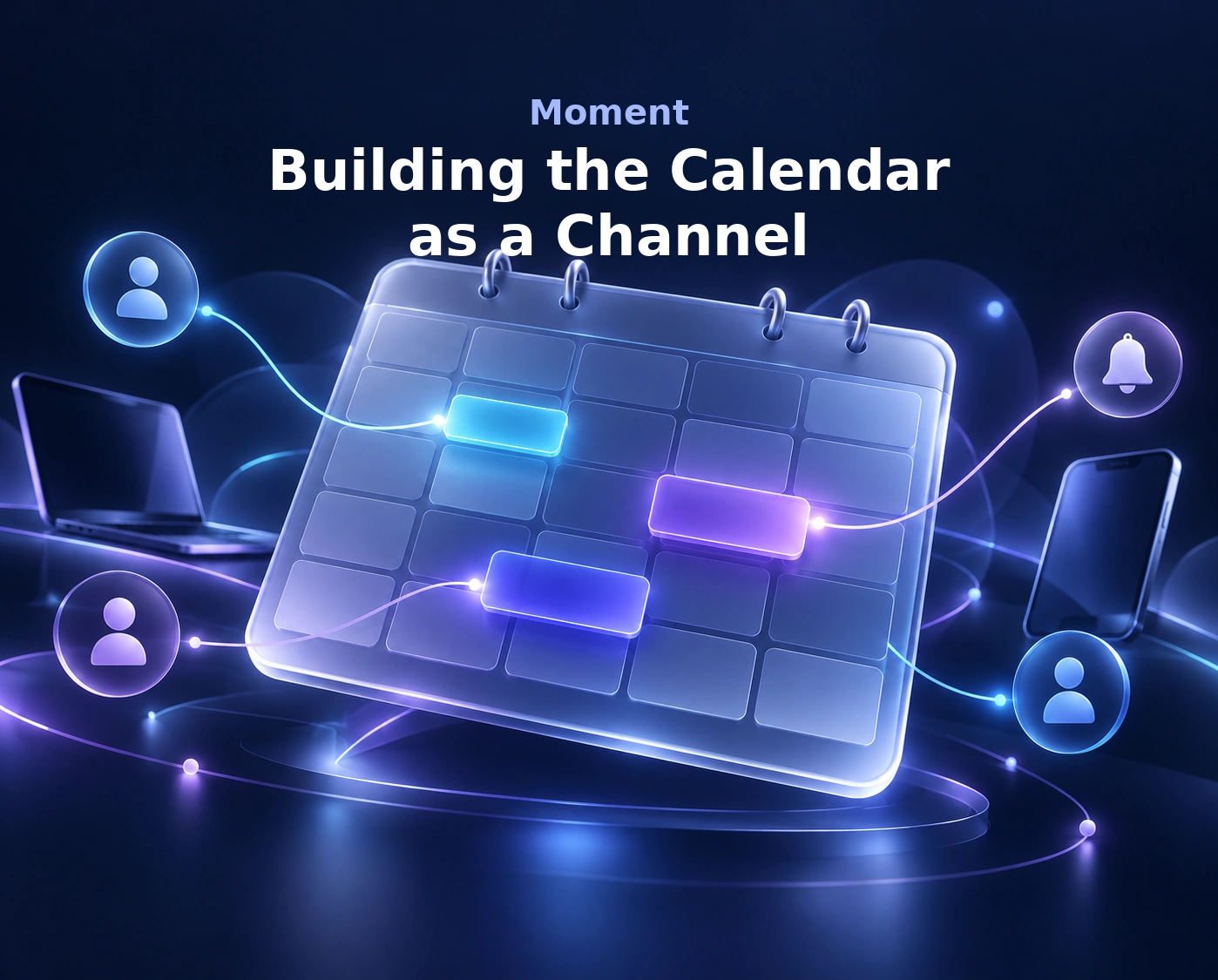
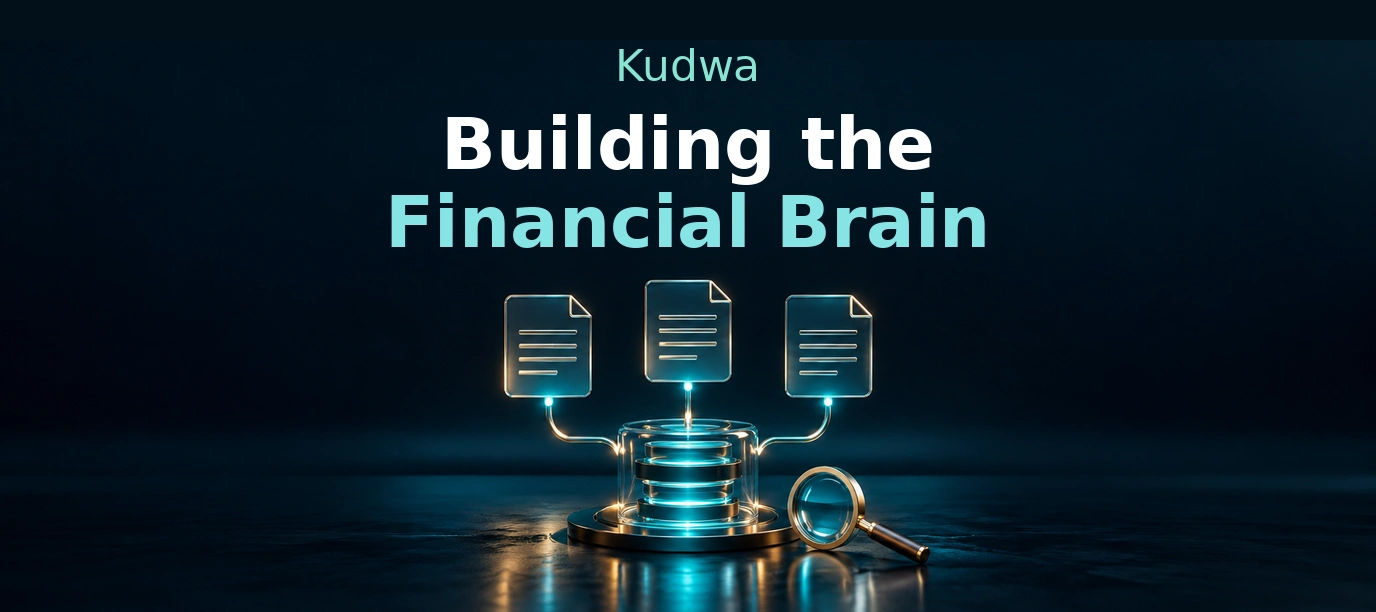
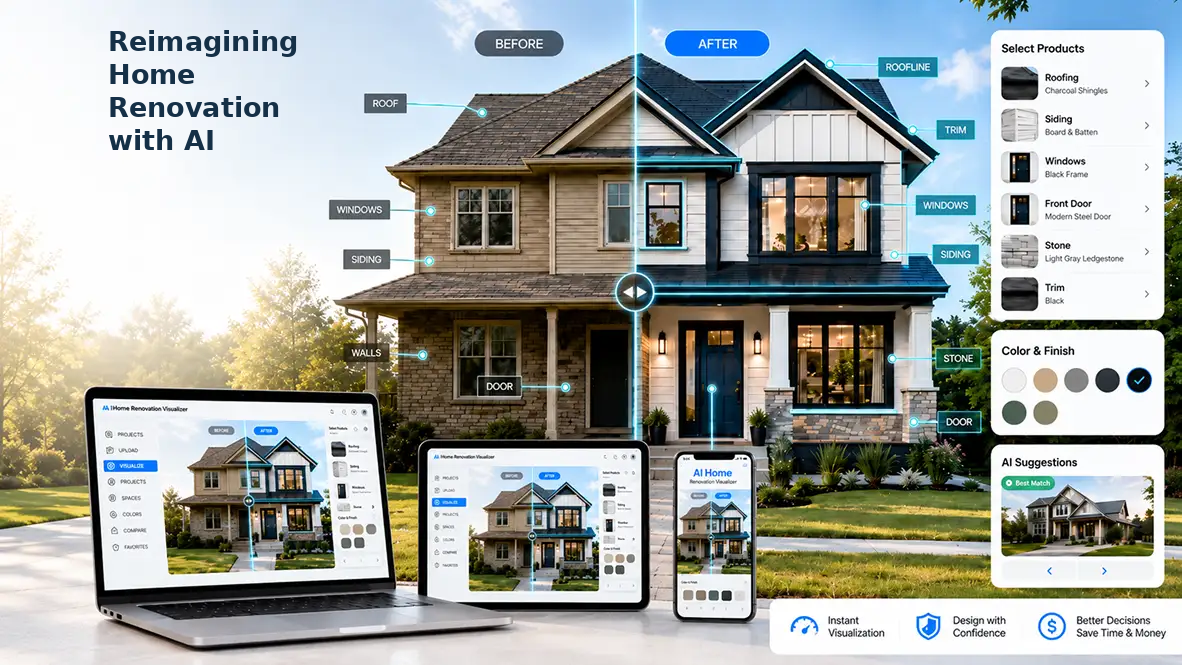
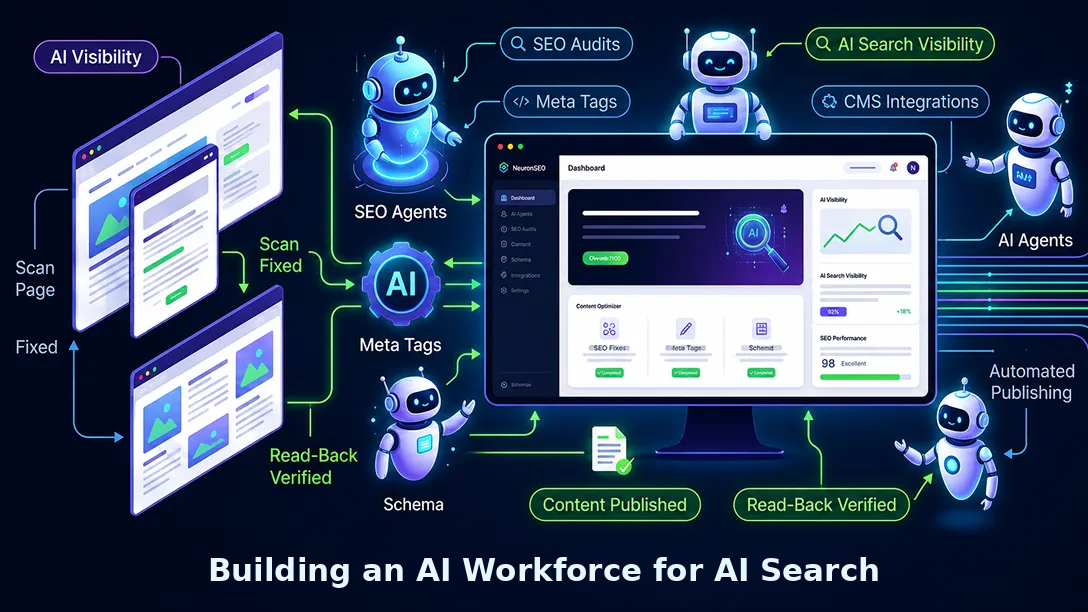
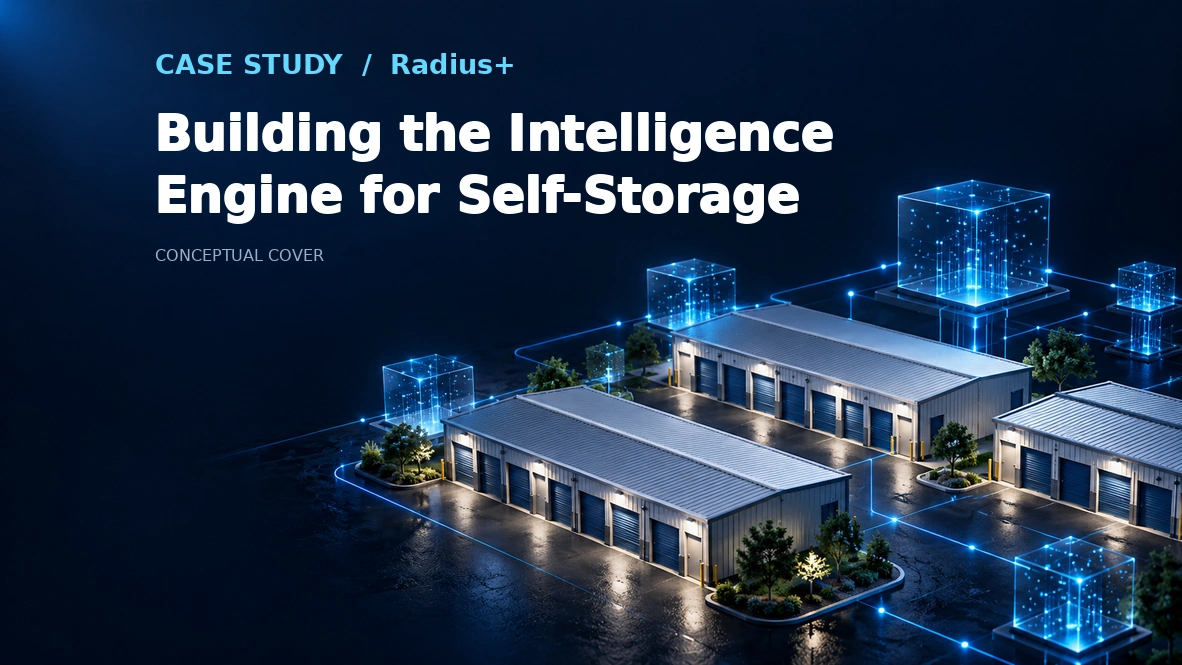
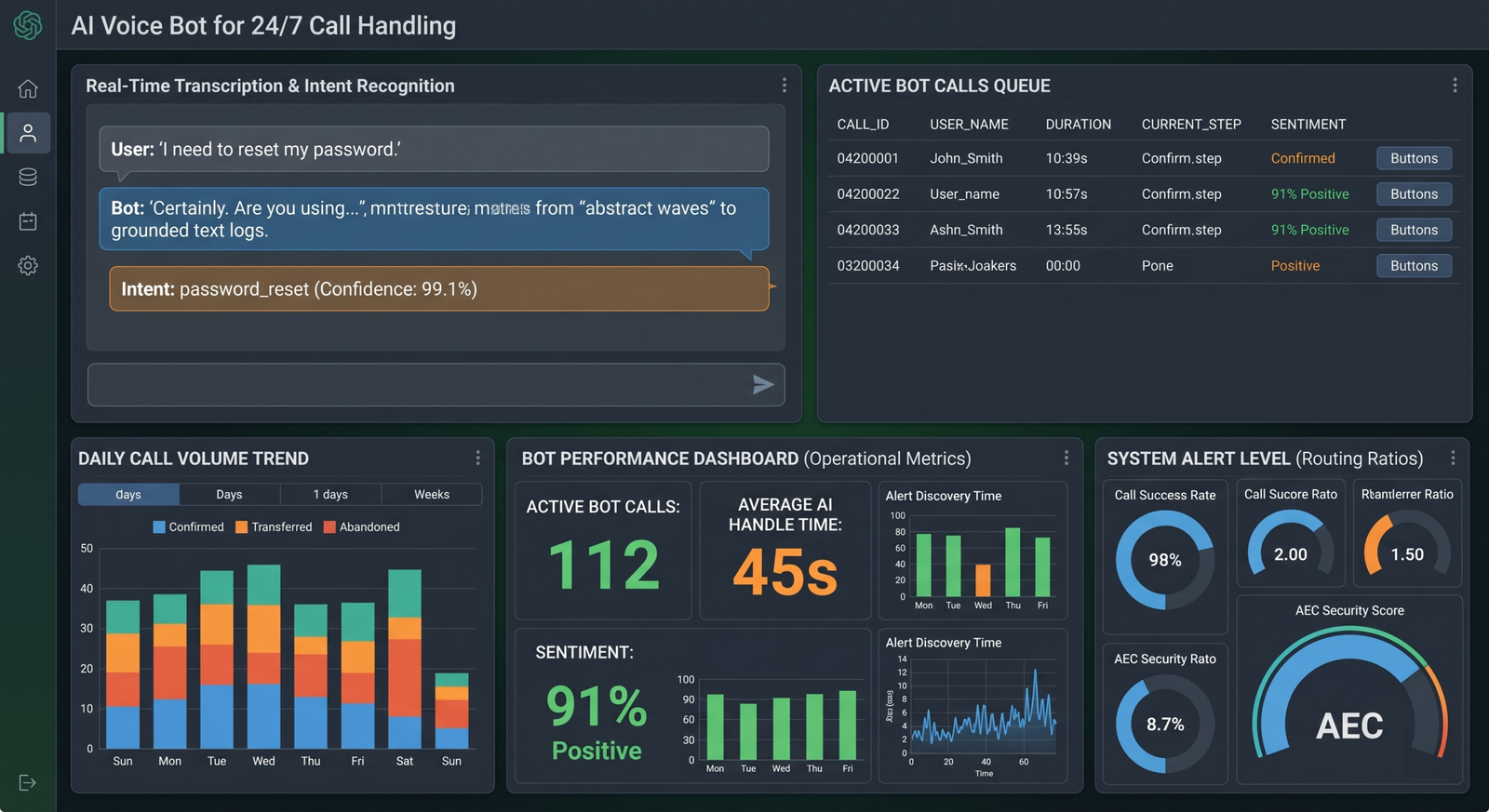
Our Case Studies



Delivery Models
Matched to Your Roadmap
Choose the support your next stage needs: developers embedded in your team, a partner for a defined project, or flexible capacity for focused work. Each model starts with clear priorities, responsibilities, and a practical way to review progress.

Hire Dedicated Developers
Bring developers into your team for AI, frontend, backend, QA, and DevOps work. Align delivery with your backlog, review progress, and retain the knowledge needed to maintain your product.
Best For
- Product roadmaps spanning multiple releases
- Internal platform development
- Ongoing releases
Benefits
- Capacity shaped around delivery priorities
- Developers working within your team
- Knowledge shared during work
Project-Based Delivery
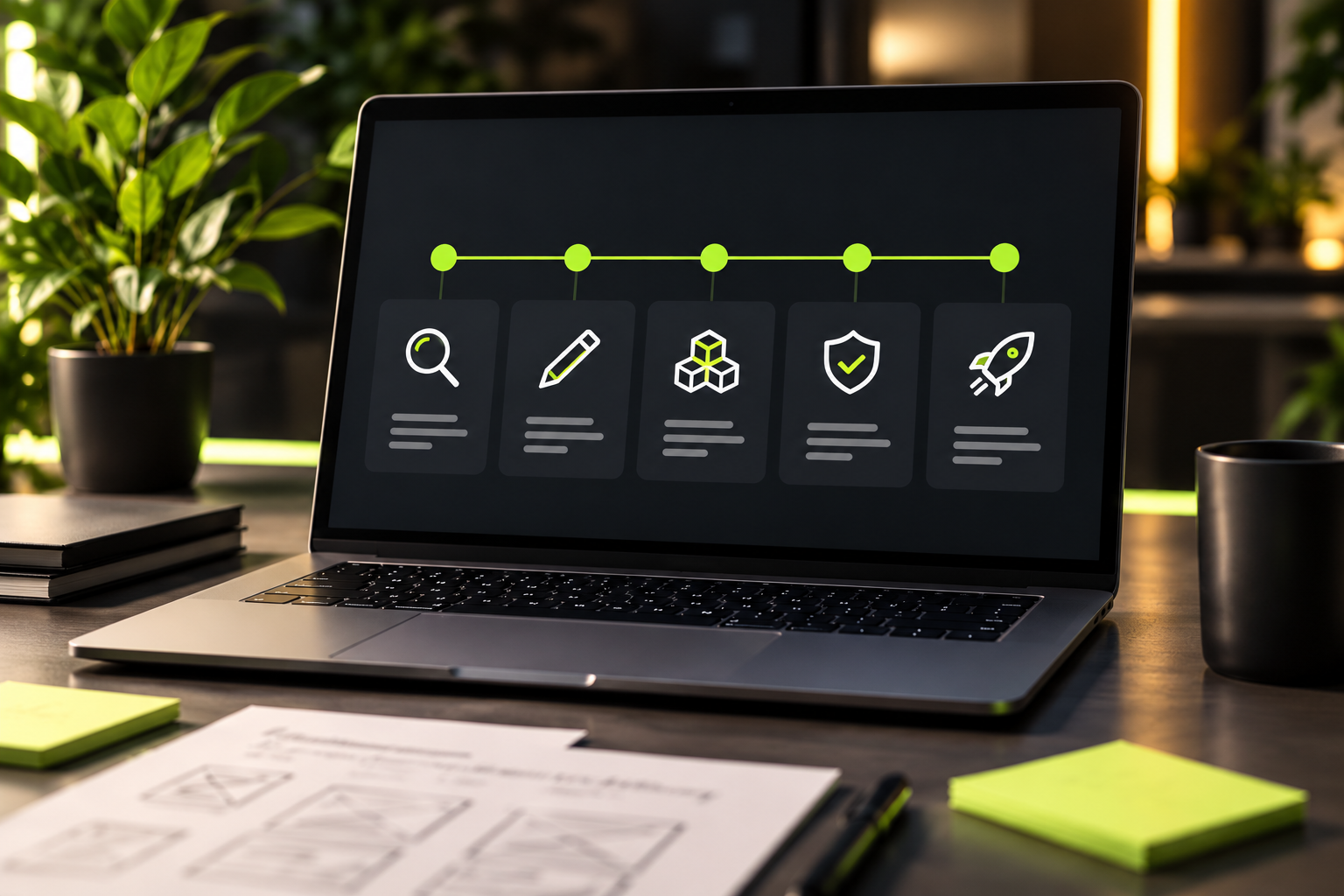
Take a defined goal through discovery, design, development, testing, and launch with one delivery team responsible for the agreed scope.
Best For
- Defined goals and scope
- Initiatives with agreed delivery milestones
- New product launches or a focused upgrade to existing systems
Benefits
- Agreed scope and acceptance criteria
- One team coordinating each stage
- A clear path into production

On-Demand Flex Teams
Add cross-functional support for discovery, prototypes, or parallel workstreams when your team needs specific skills or extra delivery capacity.
Best For
- Testing a product opportunity
- Supporting teams at capacity
- Parallel workstreams
Benefits
- Targeted skills for the work at hand
- Capacity shaped around the current need
- A clear focus for each sprint
SECTORS
AI Across Industries
Enterprise AI works within industry-specific processes, data, and responsibilities. We plan applications around the people using them, the systems they rely on, and the cost of mistakes. Each solution pairs an operational use case with suitable data controls, integration, and human oversight.
Support administrative intake, staff knowledge access, and care coordination through connected tools. Define access, retention, and review rules around sensitive data, keeping clinical decisions with qualified professionals.
Help shoppers find products and service teams resolve requests using catalog information, order data, and AI-assisted support. Connect commerce workflows so staff can handle exceptions with the context they need.
Support document review, onboarding, knowledge access, and risk operations through AI-assisted workflows. Define access controls and review steps, with people accountable for consequential decisions and compliance.
Build product copilots, knowledge search, and assisted workflows in your platform. Design around tenant permissions, customer tasks, and feedback to support adoption in everyday use.
Connect operational records, work instructions, and supplier information for plant teams. Use dashboards and AI-assisted knowledge access to help staff investigate issues and coordinate their next action.
Connect shipment, stock, and workflow data in shared tools. Help teams track exceptions, retrieve records, and coordinate responses across warehouse, transport, and customer service tools.


OUR APPROACH
Why Choose DigiWeta
DigiWeta connects AI, software, and product expertise to your business needs. We define the scope, plan integrations, and test real workflows so your team can use, maintain, and improve the solution.
- Built around your workflows
- Architecture for your data
- Access controls from the start
- AI and full-stack skills
- Fits your existing systems
- Clear scope and updates
- Documented project handover

Where Could AI Help Next?
Bring one workflow challenge. We will help define the use case, dependencies, and practical next steps.
- Choose a workflow where manual work creates a bottleneck.
- Set goals: Agree useful outcomes before development starts.
- Assess quality, cost
- Align product, data, engineering
Get Your Free Roadmap
What needs work?
What do you need?

Ready to Put AI to Work?
Bring your workflow, data questions, and product goals to a focused AI planning conversation.