
- Home
- Intelligent Multi-Agent Systems
Multi Agent Systems for Connected Workflows
Coordinate AI tasks around a defined business workflow. DigiWeta scopes multi-agent systems with clear roles, permitted tools, shared-state rules, and human review, then tests whether the added coordination helps.
- Clear task boundaries
- Defined review duties
Scope a Multi-Agent Project
Which workflow comes first?






Agent Roles in Business Workflows
Multi-agent AI development should start with a reason to separate tasks. Define each role’s inputs, evidence, tools, and stopping conditions. Evaluate the full workflow against a simpler baseline before expanding it.

Support Triage and Staff Handoffs
Separate request classification, source retrieval, and permitted ticket actions. Give staff useful context when evidence or authority is missing.

Multi-Agent Operations Support
Review operating signals, assemble evidence, and propose next steps. Keep consequential actions subject to defined permissions and review.

Proposal and RFP Support
Gather approved source material and prepare proposal drafts. Check claims and requirements before authorized staff approve commitments or share responses.

ITSM and Runbook Workflows
Collect diagnostics and propose runbook steps. Validate tools, require appropriate approvals, and check results before further system changes.

Analytics and Business Questions
Retrieve permitted data, prepare candidate queries, and review results. Preserve evidence and keep business interpretations accountable to responsible staff.

Procurement Review Workflows
Organize supplier documents and prepare comparison drafts. Route missing evidence and consequential decisions to authorized procurement reviewers.
Multi-Agent Architecture
Roles, Tools, State, and Review
Decide whether specialized agents improve the task compared with one agent or a fixed workflow. Define roles, message contracts, shared state, permissions, and stopping conditions. Test complete outcomes, including disagreement, failed tools, and missing evidence.
Plan deployment around actual dependencies and operating duties. Define what agents may change, when a person must approve, and how uncertain results are handled. Document limitations and recovery options before expanding use. Explore related AI Agents Development.
Architecture and Orchestration for Multi Agentic AI
Separate roles only where useful. Define ownership, messages, and state changes. Test stalled tasks, repeated actions, and failed dependencies; coordination adds complexity as well as options.
- Define each role’s inputs, outputs, permitted tools, and task owner. Set step limits, stopping rules, and escalation for unresolved work.
- Control shared state with access rules, provenance, and versioning. Distinguish verified records from unverified agent output.
- Separate proposed plans from authorized actions. Validate evidence and inputs in trusted code, with human review for consequential steps.
- Define recovery for partial completion. Check outcomes before retrying and document actions that cannot be reversed.
TECH STACK :
Socket.io
Redis Pub/Sub
Node.js Cluster
Nginx
PostgreSQL
Bull MQ
Knowledge, Tools, and Grounding
Restrict each role’s sources and tools. Verify evidence before acting on claims. Preserve provenance and expose missing or conflicting information to reviewers.
- Maintain approved sources, versions, access rules, and update ownership. Test retrieval coverage against representative questions.
- Restrict tools and validate inputs. Record useful outcomes and identify what remains uncertain after a failed request.
- Check claims against authoritative evidence. Multiple agents can repeat the same mistake; agreement is not independent verification.
- Validate message formats and required fields. Structured outputs support checks but do not prove the content is correct.
TECH STACK :
Socket.io
Redis Pub/Sub
Node.js Cluster
Nginx
PostgreSQL
Bull MQ
Enterprise Integrations and Eventing
Connect agents through scoped APIs and defined events. Specify authoritative records, accepted inputs, duplicate checks, and recovery. Test handoffs and provider changes before rollout.
- Define connector behavior, retry conditions, and duplicate handling. Test repeated events and partial writes before rollout.
- Assign authoritative records and conflict owners. Do not let model confidence alone decide which source is correct.
- Validate incoming messages and required permissions. Route rejected or incomplete inputs to an accountable owner.
- Test dependency failures and recovery. Use fallback paths only where features, permissions, and data recipients remain appropriate.
TECH STACK :
Socket.io
Redis Pub/Sub
Node.js Cluster
Nginx
PostgreSQL
Bull MQ
Safety, Security, and Governance
Define access, data recipients, retention, and review for each role. Test controls and version changes. Qualified stakeholders should assess requirements for the intended deployment.
- Apply verified identities and least-privilege access to each role and tool. Review hosting and provider requirements.
- Limit sensitive data and approved recipients. Have qualified stakeholders assess the actual workflow’s privacy and regulatory obligations.
- Version models, prompts, and tools with tested change procedures. Document rollback limits and deployment decisions.
- Collect proportionate evidence for review, with access and retention rules. Avoid unnecessary private inputs in logs.
TECH STACK :
Socket.io
Redis Pub/Sub
Node.js Cluster
Nginx
PostgreSQL
Bull MQ
MLOps for Multi-Agent Systems
Evaluate each role and the complete task. Track failures, latency, and usage costs with appropriate records. Test changes before release and define operating duties for unexpected results.
- Evaluate role behavior and complete outcomes with representative failures, misuse attempts, and access tests.
- Track task-level cost, tool failures, and response time. Set limits and alert the responsible operators.
- Review changes through controlled rollout. Document recovery procedures, including completed actions that a software rollback cannot undo.
- Route corrections to appropriate reviewers. Prioritize important errors and retest before changing prompts, sources, or tools.
TECH STACK :
Socket.io
Redis Pub/Sub
Node.js Cluster
Nginx
PostgreSQL
Bull MQ
Change Management and Value Realization
Give operators and reviewers clear instructions, responsibilities, and escalation routes. Measure usefulness against the existing process. Use evidence to decide whether to expand, simplify, or stop an automation.
- Agree a baseline, success criteria, operating targets, and expansion conditions with process owners.
- Train operators and reviewers on capabilities, exceptions, approvals, and recovery responsibilities.
- Review useful outcomes, incidents, and costs. Simplify or retire workflows when the evidence does not justify them.
- Scope build, handover, or managed support around agreed duties and acceptance criteria, without guaranteed business outcomes.
TECH STACK :
Socket.io
Redis Pub/Sub
Node.js Cluster
Nginx
PostgreSQL
Bull MQ
Move Beyond Agent Demos with Tested Workflows
Unclear ownership, shared state, and stopping conditions can turn a multi-agent workflow into repeated work. Missing evidence and uncertain tool results need explicit handling before agents operate across business systems.
Define role boundaries, valid transitions, and permitted actions with the process owner. Test realistic failures and conflicting information against agreed criteria. Make unresolved work visible to a responsible person. Document review, monitoring, and recovery duties so the workflow can be assessed and maintained after launch.
Loops and Stalled Tasks
Define valid state changes, task ownership, and limits on steps and elapsed time. Detect repeated work and lack of progress, then stop or hand off with the current evidence and unresolved questions. Test dependency failures and retries before launch. A clear stopping condition is more useful than allowing agents to continue discussing a task indefinitely.
Unsupported Plans and Claims
Require evidence for material claims and validate proposed actions against permitted operations. Check missing assumptions, contradictory records, and unsupported steps before execution. A critic agent may help review, but it can share the same errors as the planner. Keep trusted checks and accountable human review where consequences require them.
Consequential Tool Actions
Restrict tool access, validate inputs, and require the appropriate approval before changes. Confirm outcomes through the target system before retrying an uncertain operation. Define recovery options for partial completion and keep irreversible effects explicit. Dry runs and proposed diffs can support review, but they do not make every action reversible.
Provider Dependencies
Evaluate model and tool providers against task quality, data handling, and compatibility. Define failure behavior and test any approved fallback. Switching providers may change outputs or supported features, so do not assume parity. Record versions and dependencies, and give operators a practical response when no suitable route is available.
Latency and Usage Costs
Measure complete tasks, including coordination, retrieval, and retries. Review repeated context and unnecessary steps before adding more models. Test caching, parallel work, or compression against quality and access controls. Set limits and cost visibility, then use measured outcomes to decide whether the added coordination is worthwhile.
Operating Evidence
Record enough task state, source context, and tool outcomes to investigate failures without retaining unnecessary private content. Track end-to-end success alongside each agent’s output. Assign owners for alerts and unresolved results. Use tests and operating evidence to review changes instead of treating detailed logs as proof that decisions were correct.
Source and Permission Changes
Define how content updates, removals, and permission changes reach retrieval and shared state. Test caches and conversation context as well as the source index. Preserve document versions and applicable scope. Route conflicting or missing information to owners rather than allowing agents to infer an unsupported policy.
Team Adoption and Ownership
Document supported tasks, approval points, and escalation routes for the people using and operating the system. Agree who reviews corrections and maintains sources, tools, and evaluations. Measure usefulness and failures against the baseline. Expansion should follow evidence and adequate support, not a promise that more agents automatically create more value.
Choose Your Approach to Multi Agent Delivery
Choose support around your workflow, dependencies, and internal capacity. Agree scope, acceptance criteria, costs, operating duties, and handover for complete delivery, targeted improvements, or embedded expertise.

Complete Multi-Agent Delivery
Plan, build, test, and hand over coordinated agent workflows.
Best For
- Cross-team workflows
- Governed settings
- Private hosting
Advantages
- Clear delivery ownership
- Defined controls and review
- Measured task outcomes

Agent Workflow Review
Review an existing multi-agent workflow.
Best For
- Repeated task failures
- Usage cost rises
- Slow or failed requests
Advantages
- Measured speed and cost
- Reviewed answer quality
- Tests and recovery plans

Embedded Agent Team
Add agent development expertise alongside your internal team.
Best For
- Team capacity gaps
- Internal agent platforms
- Ongoing development
Advantages
- Flexible support
- Practical handover
- Agreed delivery milestones
SECTORS
Industry Workflows with
Multi Agent Systems
Multi-agent systems need task-specific boundaries in every sector. Define permitted information, tools, and reviewers before implementation. Test useful outcomes and failures against the existing process, and involve qualified stakeholders where legal, financial, clinical, or operational consequences require specialist assessment.
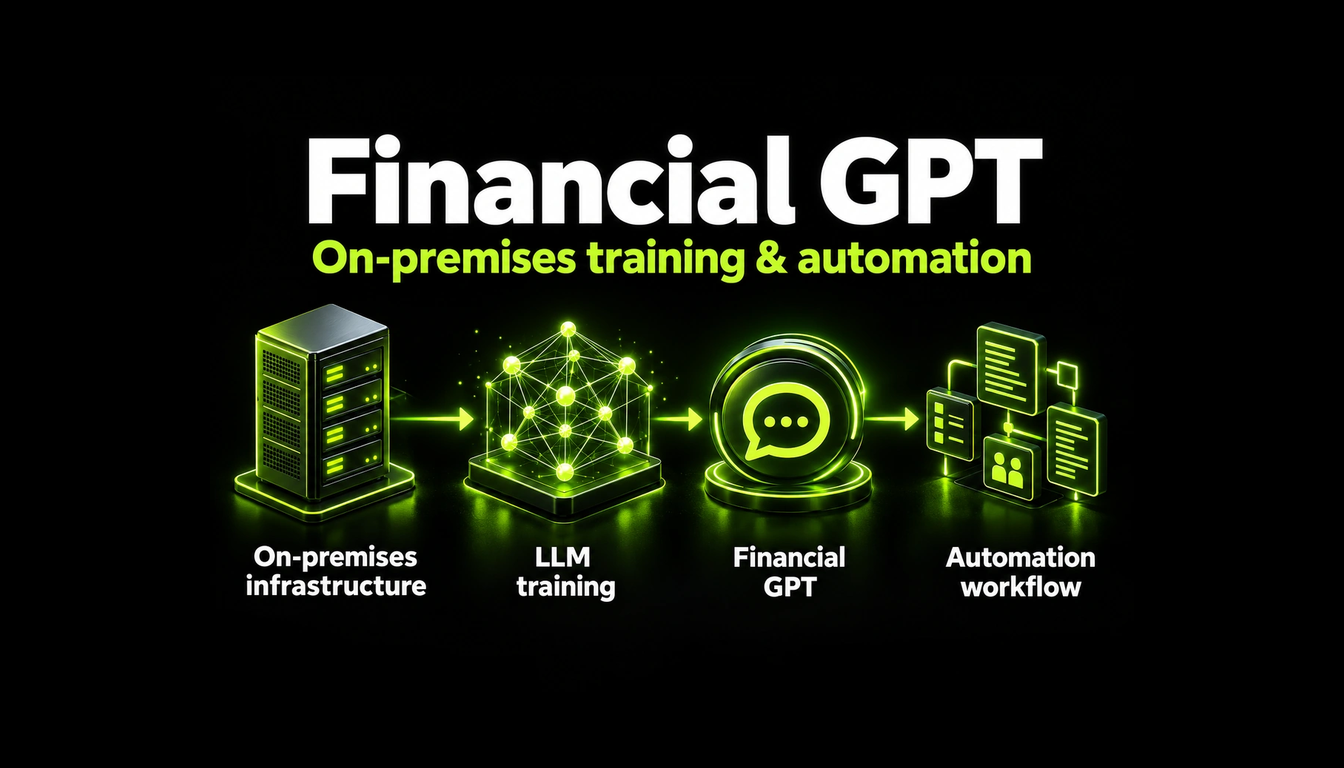
Prepare financial workflow evidence and review drafts from permitted records. Keep consequential decisions with qualified staff and assess applicable requirements.
Support approved administrative tasks with scoped access. Assess patient data and intended use; keep care decisions with qualified professionals.
Connect product knowledge, service intake, and permitted order tasks. Validate proposed actions and route exceptions to responsible staff.
Retrieve approved procedures and route maintenance requests. Qualified staff should verify consequential production or safety guidance.
Coordinate property enquiries, scheduling requests, and service issues across permitted systems. Confirm access and customer choices, with staff ownership of unresolved requests and consequential commitments.
Support internal knowledge, service, and analytics workflows with tenant-aware access. Test complete tasks and assign operating ownership.
OUR PROCESS
Our Multi Agent Delivery Stages
Scope the workflow, test a bounded pilot, and review readiness before rollout. Assign responsibility for operating changes and unresolved work.
Step 01
Scope and Value
Scope and Value
Define workflow, baseline, access, and review. Assess whether multiple roles are justified and agree acceptance criteria.
Step 02
Build and Test
Build and Test
Implement role contracts, retrieval, and permitted tools. Test state changes, evidence, failures, and operating costs in a bounded pilot.
Step 03
Connect and Expand
Connect and Expand
Validate connectors and approvals before expanding users or tools. Review access, costs, dependencies, and operating ownership at each step.
Step 04
Review and Maintain
Review and Maintain
Review task outcomes, failures, latency, and costs. Test changes rather than automatically learning from feedback. Explore related generative AI development.


ABOUT US
Your Multi Agent Systems Partner
DigiWeta designs coordinated workflows with defined roles, approved sources, and controlled tools. Agree evaluation and operating duties before deployment. Use measured results to assess readiness and unresolved work.
- Deployment options for your needs
- Defined roles and visible task state
- Source evidence and access checks
- Controlled tools and review records
- Monitoring, evaluation, and usage limits
Success Rate
0
%
Satisfied clients
0
%
Frequently Asked Questions
It coordinates multiple roles through defined messages, state, and task rules. Each role may use permitted sources or tools. Evaluate whether that separation helps compared with one agent or a fixed workflow; more agents add complexity and do not guarantee better results.
Check claims against approved evidence, validate tools and permissions, and test the complete workflow. Agent agreement or confidence is not proof of correctness. Define clarification and review when evidence is missing or contradictory.
They can collect permitted signals, prepare issue summaries, and propose or perform scoped tasks. Define evidence, authority, and review before consequential actions, with an owner for unresolved results.
Measure complete tasks, including model calls, coordination, tools, and retries. Set appropriate limits and compare outcomes with a simpler baseline. Test improvements rather than assuming stable costs.
Define permitted tools, validated inputs, approvals, and result checks. Verify uncertain outcomes before retrying. Document recovery limits and assign unresolved tasks to responsible staff; not every action is reversible.
Assess CRM, ITSM, ERP, warehouse, and custom APIs against the required operations, permissions, and failure handling. Test compatibility before rollout.
Review hosting against actual data flows, providers, settings, and retention terms. Private infrastructure alone does not establish compliance or zero external retention.
Discovery and architecture typically take two to four weeks. A production ready pilot often ships in six to ten weeks depending on integrations and approvals. Scale out proceeds in sprints with clear KPIs.
Measure complete task success, failures, review effort, response time, and cost against a baseline. Use relevant business outcomes where attribution is supported by evidence.
Use multiple roles when separation improves the task and can be tested. Compare coordination overhead, failures, and costs with a simpler workflow before choosing the architecture.
Plan a Multi-Agent Workflow for Your Team
Discuss your workflow and dependencies with DigiWeta. Define agent roles, access, review duties, and measurable criteria for a bounded multi-agent pilot.