Choosing an AI chatbot development company starts with evidence, not a polished

Connect product logic, data, and external systems with DigiWetaβs back end development services. Define architecture, APIs, validation, and operating responsibilities before building and testing the agreed scope.
Which backend task is next?


Build APIs, services, data workflows, and access controls around your product requirements, including staged enterprise modernization.
Define service ownership, messages, and failure handling around business tasks. Test ordering, duplicate requests, and partial completion before expanding independently deployed services.
Define API inputs, permissions, versions, and errors. Test complete consumer workflows and provider failures against agreed operating targets.
Validate and move approved data through defined transformations. Assign source ownership, update rules, and recovery for rejected or incomplete records.
Define verified identities, permissions, and access review across services. Test authorization boundaries, role changes, and revocation.
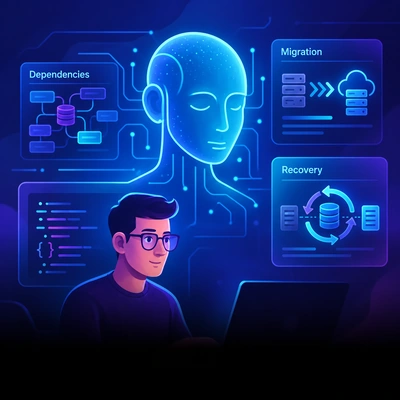
Assess existing logic and dependencies before modernization. Compare staged improvements with replacement, then test migrations and recovery.
Scope provider connections, records, and review for billing workflows. Involve appropriate specialists before consequential financial operations.

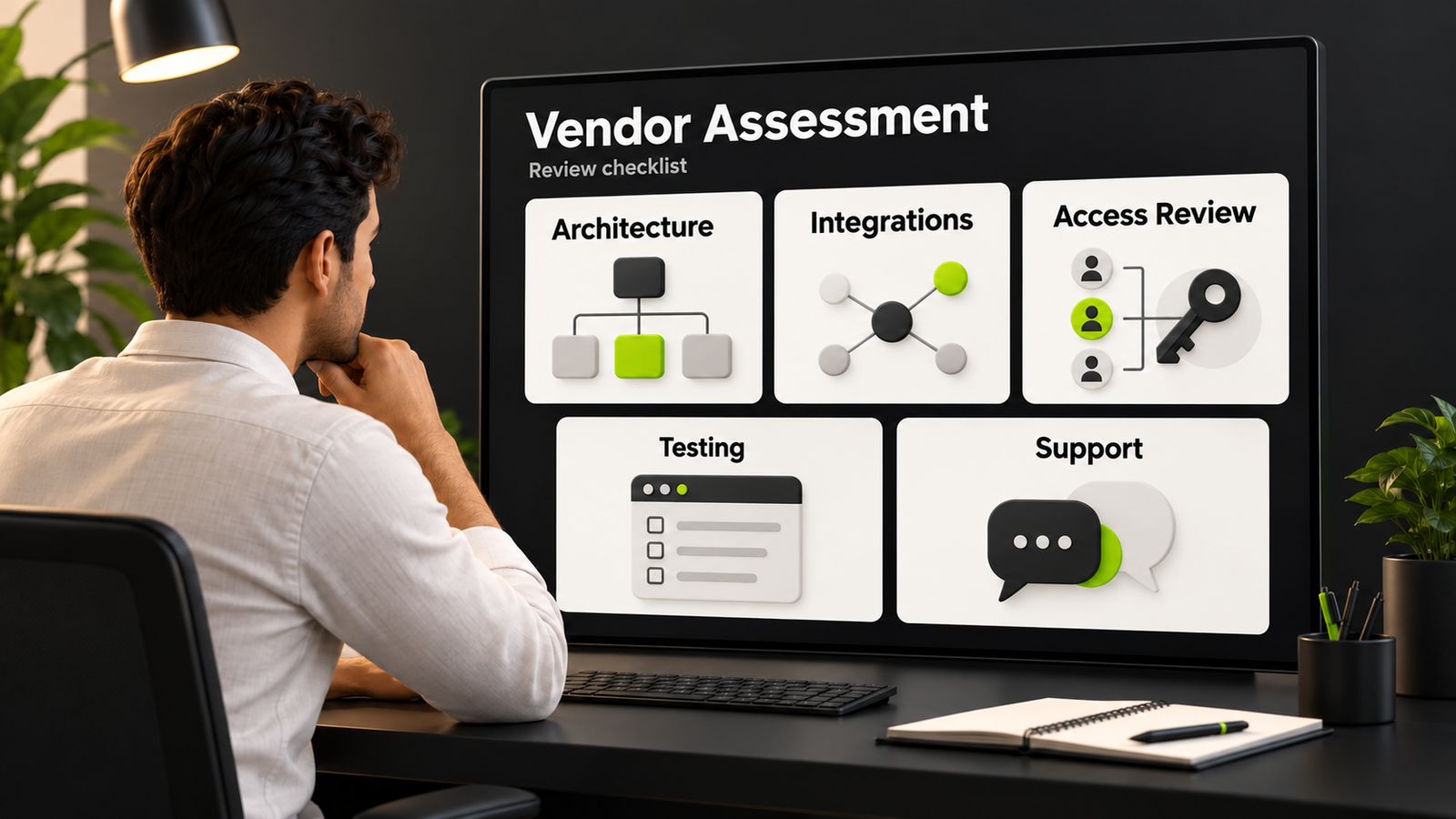
Choosing an AI chatbot development company starts with evidence, not a polished

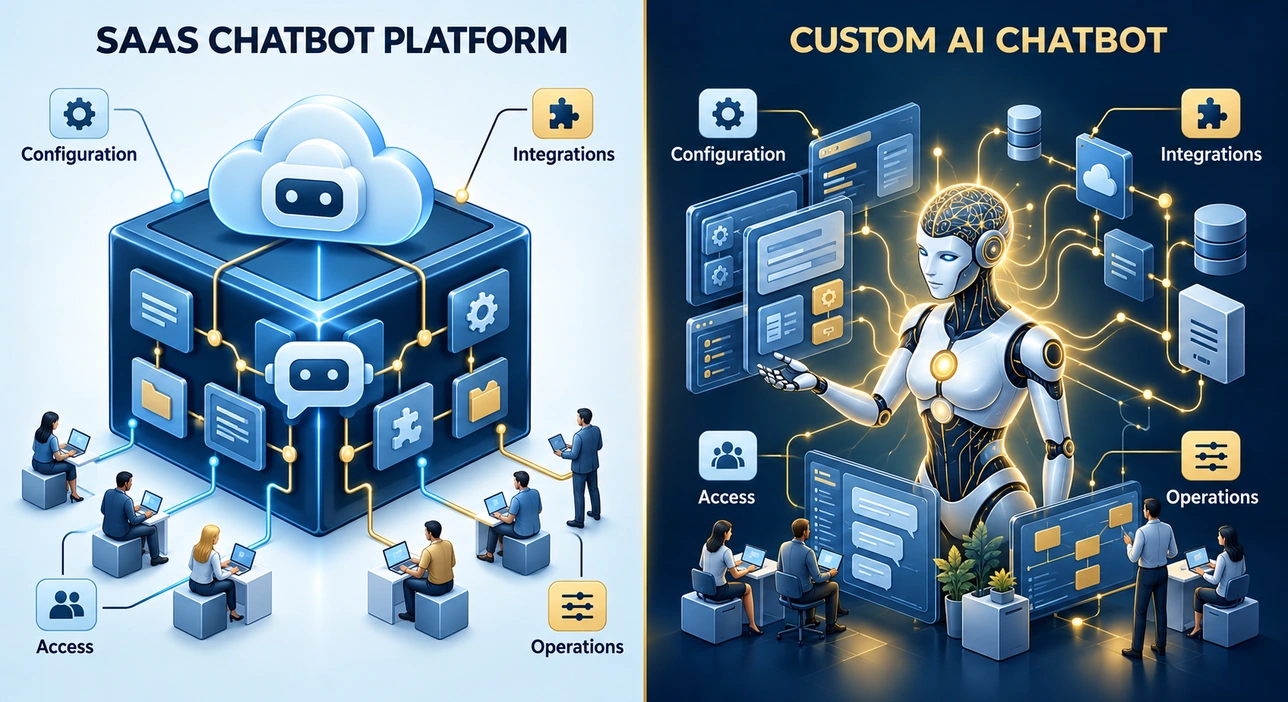
Choosing between a SaaS chatbot and custom development is a fit decision,
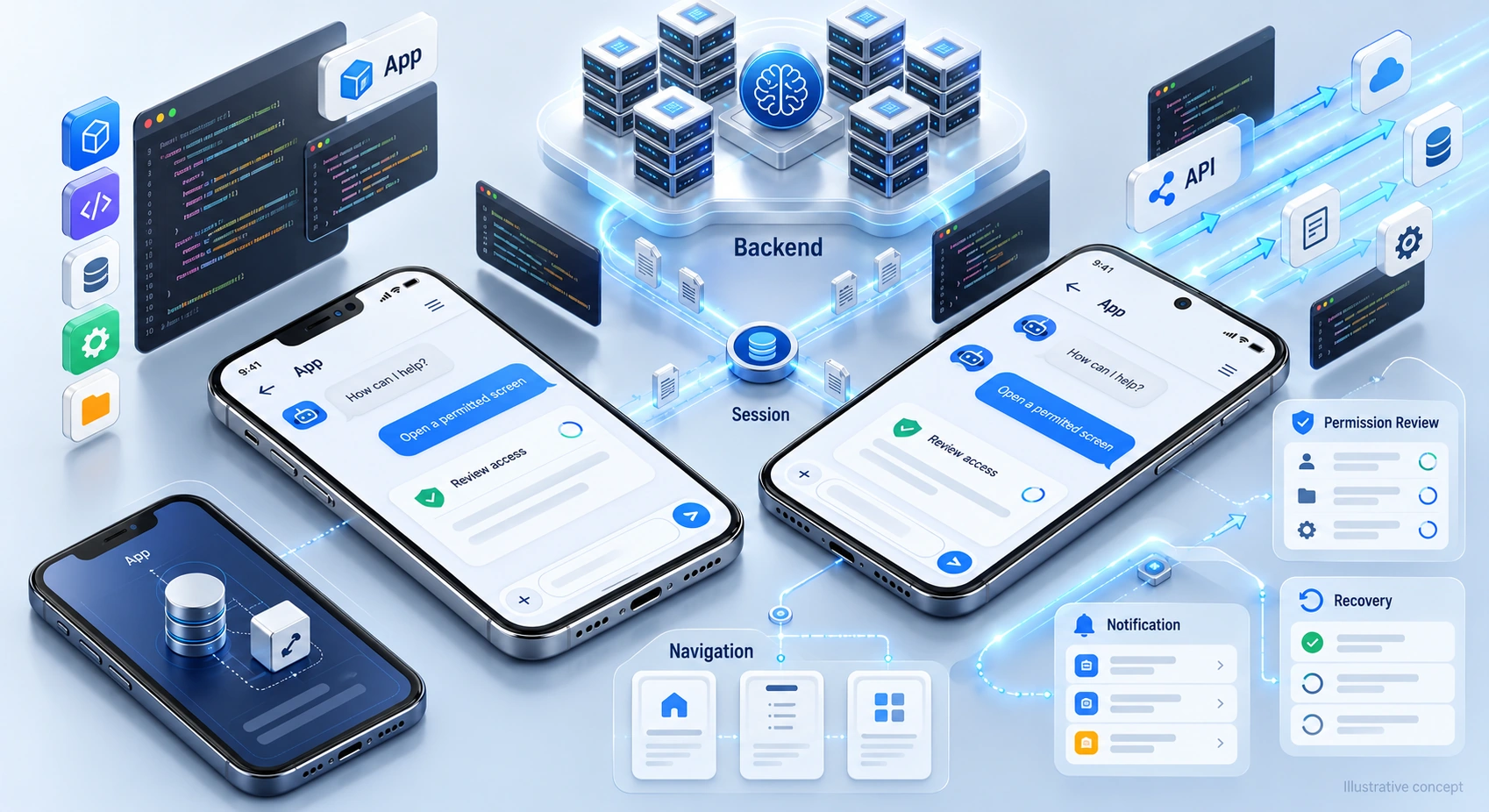
Adding chat to an app involves more than moving a website widget

A customer service chatbot needs a business case as well as a

Travel and property teams answer detailed questions while availability changes. A useful

B2B enquiries often involve several people, technical requirements, and a decision process
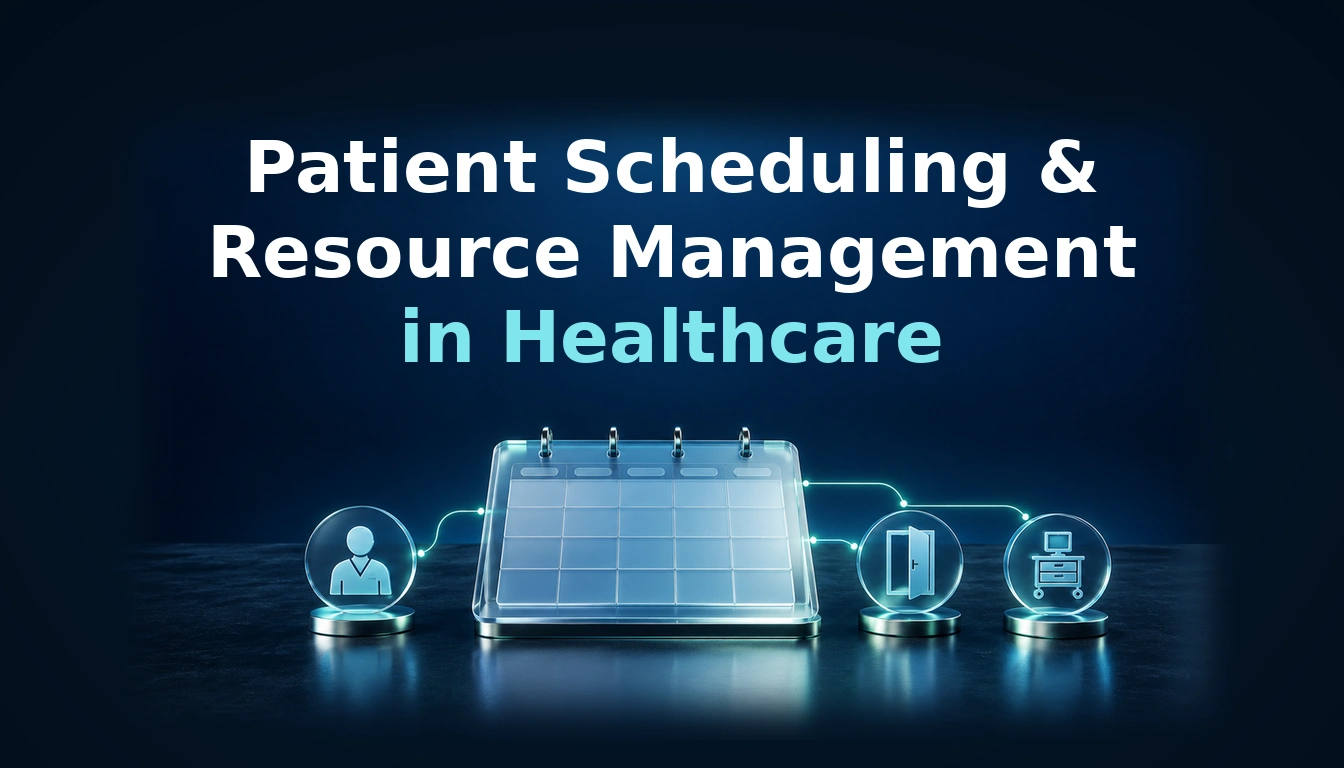
Map product tasks, data ownership, dependencies, and operating needs before choosing the backend design.
Define testable service targets and release responsibilities. Validate complete workflows and failure handling, with monitoring and recovery documented for operators.
Map domain responsibilities, dependencies, and operating requirements first. Use targeted prototypes and stress testing to evaluate uncertain assumptions before expanding the implementation.
Compare runtimes, frameworks, and data stores against the workload, team skills, and maintenance costs. Record trade-offs and test uncertain choices rather than assuming one stack fits every product.
Model data around actual rules and access patterns. Test constraints, queries, migrations, and caching behavior against the workload before optimizing.
Make consumer expectations explicit. Define inputs, versions, limits, and errors, then test compatibility and failures before releases or partner onboarding.
Define access, sensitive information, dependencies, and consequential actions early. Test suitable controls and have qualified specialists assess requirements for the actual application.
Measure important requests and workload costs before optimizing. Compare improvements against service targets and data behavior rather than promising fixed speed or spend.
Unclear data ownership, interfaces, and operating needs create backend complexity. Define them early and test core tasks and failures before adding services or integrations.
DigiWeta scopes backend implementation around agreed acceptance criteria. Document release, monitoring, and handover duties so the team can assess readiness and maintain the system after launch.
Select runtime and data options around the workload, team, and operating constraints. Review frontend contracts and integration needs before committing. Document why a choice fits the product and what would need to change as requirements evolve.
Define service targets and recovery needs before implementation. Test representative requests, demand, and failures. Use results to choose infrastructure and priorities rather than treating scaling features as proof that requirements are met.
Map business rules, relationships, and access patterns before designing storage. Test queries, constraints, and changes with representative data. Define analytics and integration needs without assuming every workload belongs in the same store.
Agree input, output, version, permission, and failure behavior with consumers. Test compatibility and document deprecations. Define ownership for partner failures and uncertain updates instead of relying on retries alone.
Version deployments and automate relevant checks. Review migrations, dependencies, and recovery limits before rollout. Agree incident and maintenance duties with operators so the application can be supported after handover.
Map data, identities, and access requirements early. Test appropriate controls during development and inspect relevant findings. Qualified stakeholders should assess applicable obligations for the intended deployment.
Collect relevant service signals with suitable access and retention. Define alerts, investigation steps, and owners for unresolved incidents. Use operating evidence to guide changes rather than treating a dashboard as proof of reliability.
Agree interfaces and responsibilities across backend, frontend, and operations. Keep decisions, tests, and handover documented. When adding expertise, define scope and review expectations so additional capacity supports the teamβs actual workflow.
Match backend support to scope and team capacity. Agree reviews, costs, and handover for platform delivery, modernization, or embedded expertise.
Plan, build, test, and hand over the platform.
Best For
Advantages
Test staged system improvements.
Best For
Advantages
Add expertise alongside your team.
Best For
Advantages
SECTORS
Backend requirements vary by data, workload, and sector. Define access, interfaces, validation, and operating responsibilities with the people using the application. Involve qualified specialists where financial, clinical, or other consequential requirements apply.
OUR PROCESS
Move from defined requirements to tested services in reviewable stages. Agree acceptance criteria, document findings, and resolve dependencies before rollout. Plan operating ownership and handover alongside development.
Map stakeholders, business rules, data, and dependencies. Define service targets, access needs, acceptance criteria, and a prioritized scope. Document architecture choices and unresolved assumptions before implementation.
Build services and deployment workflows against agreed contracts. Test inputs, integrations, access, and failure handling through staged delivery. Review dependency findings and release criteria before exposure to users.
Test workload and recovery scenarios against agreed requirements. Review access, secrets, and data handling with responsible stakeholders. Resolve relevant findings and document monitoring, incident duties, and operating guidance.
Review release readiness and deployment state, then monitor important service signals. Agree post-launch support and change responsibilities. Use incidents, product findings, and costs to prioritize tested improvements.
ABOUT US
DigiWeta builds backend services around product logic, data responsibilities, and connected workflows. Define architecture, integrations, tests, and operating duties with your team before release and handover.
Discuss your product goals, data flows, integrations, and operating gaps with DigiWeta. Define a practical backend build scope and measurable acceptance criteria.