- Home
- Internal Knowledge Base Bots
Internal Knowledge Base Chatbots for Teams
Help employees find and check information across approved documents, policies, and wikis. DigiWeta builds internal knowledge base chatbots around source quality, user permissions, retrieval tests, and accountable review.
- Source-backed answer checks
- Identity and access
Plan Your Knowledge Bot
Which sources need a bot?








Knowledge Use Across Team Workflows
Start with the questions your team needs to answer and the sources they may use. Scope ingestion, retrieval, evidence, and escalation before adding application actions. Agree how quality and access will be tested. For related planning, explore Generative AI Consulting.

Employee Knowledge Bot
Find relevant HR, IT, and facilities guidance, show sources, and route unresolved questions to responsible staff.

IT Knowledge Support
Find approved IT procedures and source evidence. Review requested system changes separately from knowledge answers.

Help support staff find approved guidance and draft sourced replies. Review evidence and unresolved issues before responding.

Sales and Success Support
Retrieve permitted product information and sales guidance. Prepare drafts with sources for staff to review before use.

Policy Guidance and Review
Locate applicable policy documents and show supporting passages. Refer unclear interpretations and consequential decisions to qualified reviewers.

Onboarding Knowledge Bot
Guide new employees to role-relevant information. Collect unanswered questions and route content gaps to the people who maintain training.
Knowledge Bot ArchitectureSources, Access, Retrieval, and Review
Design the knowledge workflow from source to response. Define ingestion, access checks, retrieval, evidence, and review. Test these together before expanding sources or enabling actions.
Data Ingestion & Indexing
Inventory the documents and systems the bot may use. Check ownership, structure, versions, and access rules before indexing. Plan updates and removals so the retrieval system reflects the approved source collection.
- Assess source connectors, permissions, update events, and deletion behavior before indexing internal content.
- Preserve useful structure and metadata, including document owner, version, effective date, and permitted audience.
- Test keyword and semantic retrieval with real questions, names, codes, and procedures.
- Define source updates and collection ownership. Explore related Data Warehousing work
TECH STACK :
Socket.io
Redis Pub/Sub
Node.js Cluster
Nginx
PostgreSQL
Bull MQ
Retrieval Quality & RAG Policies
Test retrieval against representative questions and permitted sources. Check answer support, relevance, and source references. Use failures to identify missing content, weak retrieval, or review needs.
- Apply verified access filters to retrieval, then test whether relevant permitted passages are found.
- Check that cited sources support the answer, not merely that a link appears.
- Select applicable document versions and locations using maintained source metadata.
- Evaluate answer support, relevance, and references with representative test questions.
TECH STACK :
Socket.io
Redis Pub/Sub
Node.js Cluster
Nginx
PostgreSQL
Bull MQ
Identity, Permissions & Governance
Tie retrieval to verified identities and trusted permissions. Test restricted records, changed groups, and revoked access. Define review records and retention; login alone does not protect every document.
- Bind retrieval to verified access. Test user changes and revoked permissions.
- Limit sensitive context and apply suitable field or record controls before sharing information.
- Keep appropriate review records with access and retention limits.
- Review hosting, provider terms, and actual data recipients. Explore Cloud Solutions
TECH STACK :
Socket.io
Redis Pub/Sub
Node.js Cluster
Nginx
PostgreSQL
Bull MQ
Model Strategy & PromptOps
Choose models against knowledge tasks, privacy needs, and costs. Compare supported answers, failures, and response time. Version and test changes; adding providers does not automatically improve quality.
- Select models against task quality, privacy, and cost. Validate compatibility before adding routing or fallback providers.
- Version prompts and test proposed changes for answer support, clarity, and inappropriate disclosure.
- Validate formats and review unsupported findings; confidence does not prove correctness.
- Measure context use and test compression against evidence coverage and answer quality.
TECH STACK :
Socket.io
Redis Pub/Sub
Node.js Cluster
Nginx
PostgreSQL
Bull MQ
Enterprise Integrations & Action Layer
Scope actions separately from knowledge answers. Define permitted tools, validation, approvals, and result checks. Avoid unnecessary system access.
- Define tools for permitted tickets, updates, or feedback, with verified identities and input validation.
- Check results before retries. Define duplicate handling and recovery.
- Require appropriate approvals and show proposed changes; document limits on reversibility.
- Explore scoped connections through API Development and Integration work
TECH STACK :
Socket.io
Redis Pub/Sub
Node.js Cluster
Nginx
PostgreSQL
Bull MQ
Observability, Evals & Cost Controls
Track supported answers, unresolved questions, failures, latency, and costs. Keep proportionate records with appropriate access. Use findings to assess operating targets and prioritize improvements.
- Monitor task outcomes, tool errors, latency, and appropriate usage costs.
- Test grounded answers, access boundaries, and failures with regression checks.
- Compare caching, compression, or streaming against measured quality and access requirements.
- Scope operating targets and responsibilities with our MLOps Model Deployment team
TECH STACK :
Socket.io
Redis Pub/Sub
Node.js Cluster
Nginx
PostgreSQL
Bull MQ
Close Knowledge Bot Gaps with Source Checks
A knowledge bot depends on the content it can find and the permissions it enforces. Missing sources, conflicting policies, and delayed updates need explicit handling. Agree who owns the content and how unresolved questions reach reviewers. DigiWeta scopes source connections, evaluation, and change procedures around those needs. Related AI Integration Services can support the connected workflow.
Unsupported Answers and Claims
Require evidence from approved sources for knowledge answers. Test retrieval coverage and whether the cited passage supports the response. Define clarification, refusal, and staff handoff for questions the collection cannot answer. Review failures and missing content with source owners. Retrieval and citations help evaluation, but neither guarantees that a generated answer is correct.
Source Changes and Conflicts
Plan how edits, removals, and access changes reach the index. Retain useful version and effective-date metadata. Identify conflicting documents and assign an owner to resolve them rather than letting the model choose an unsupported policy. Test source updates and broken references regularly, with explicit handling when synchronization is delayed or incomplete.
Access Controls
Enforce source access using verified identities and trusted permission checks. Test restricted documents, group changes, and revocation, including information carried into caches or conversation history. Limit sensitive context and define suitable review records. An identity-aware design needs validation against real access scenarios; it should not be presented as a guarantee against disclosure.
Retrieval and Structure
Preserve headings, sections, and useful metadata when preparing documents. Compare retrieval methods against actual employee questions, including exact identifiers and policy versions. Inspect missing and irrelevant passages before changing the model. Test whether the selected evidence is sufficient to answer, and route gaps to source owners rather than filling them with plausible text.
Latency and Usage Costs
Measure representative requests and identify where context, retrieval, or model choice adds delay and cost. Test caching and compression against permissions, freshness, and answer support. Set appropriate limits and usage visibility, then compare results with the baseline. Faster responses are useful only when the information remains appropriate for the user and task.
Feedback and Review
Give users a practical way to flag wrong answers, missing sources, and unclear guidance. Route issues to content or technical owners and track resolution. Review corrections before changing documents, prompts, or retrieval settings. Expand evaluation cases from recurring failures and test releases so feedback leads to deliberate improvements rather than unreviewed learning.
Tools and Approvals
Separate answering questions from changing systems. Define the permitted tools, verified identity, required approvals, and input checks for each action. Confirm the result before repeating a request, and document recovery limits. Keep unresolved operations visible to responsible staff. Useful automation depends on clear authority and review, not just the ability to call an API.
Language and Local Context
Check which languages, locations, and policy versions the approved collection supports. Evaluate retrieval and responses in those contexts, with qualified review where necessary. Use maintained metadata for regional rules and make missing coverage visible. Translation does not establish that guidance applies locally, so keep reviewers and escalation paths clear.
Choose Delivery Support for Knowledge Base Chatbots
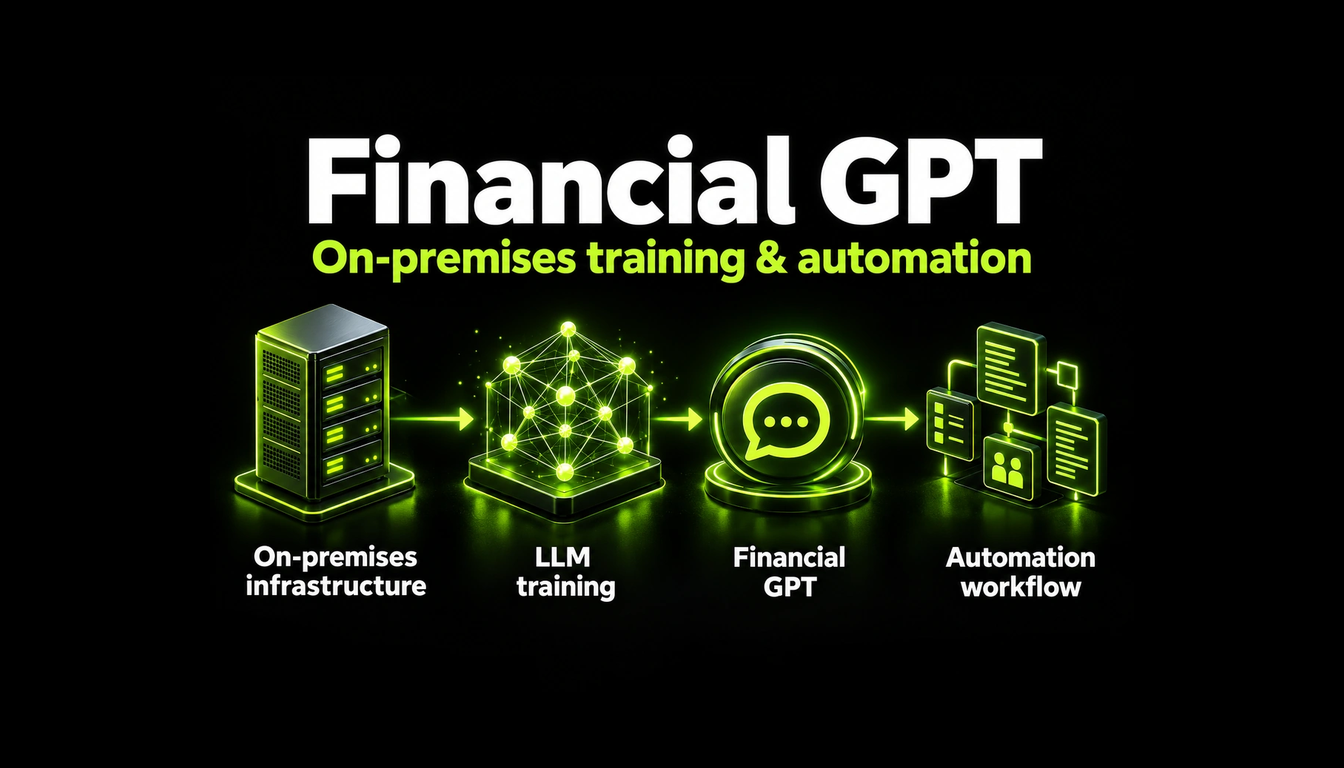
Choose support around source readiness, access requirements, and team capacity. Agree scope, evaluation, ownership, and handover before delivery.

Complete Implementation
Plan, build, test, and hand over a knowledge chatbot.
Best For
- Team-wide rollout
- Governed settings
- Multiple source systems
Advantages
- Clear delivery ownership
- Deployment choices
- Measured task outcomes

Knowledge Bot Review
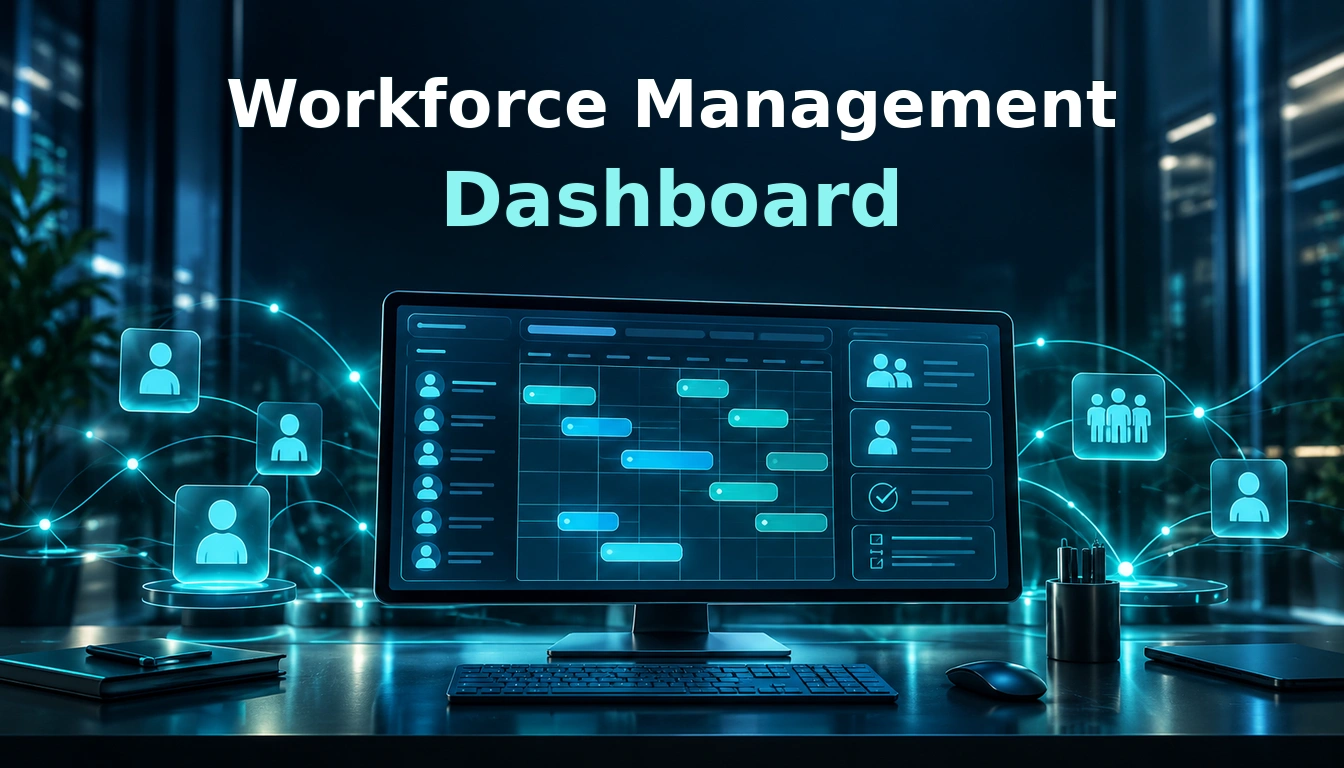
Assess answer quality, access, latency, and costs in an existing bot.
Best For
- Unsupported answers
- Outdated source content
- Rising usage costs
Advantages
- Reviewed answer quality
- Measured latency
- Visible operating costs

Connector-Based Delivery
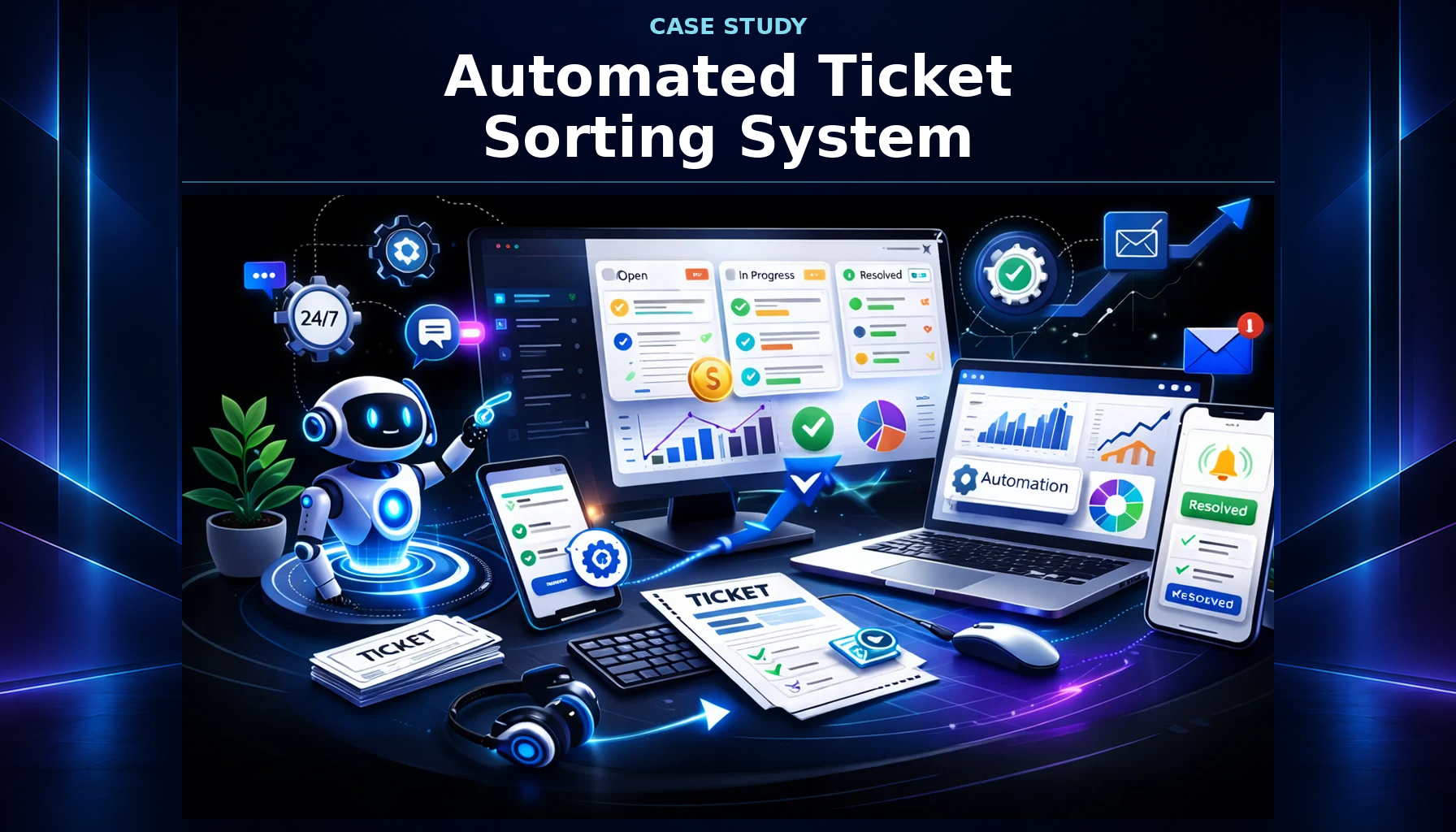
Scope supported connectors and test your source workflows.
Best For
- Standard source platforms
- Staff-assist pilots
- Defined pilot scope
Advantages
- Scoped delivery
- Defined initial scope
- Tested source connections
SECTORS
Industry Workflows for AI Knowledge Bases
Knowledge requirements vary by sector and intended use. Define permitted sources, appropriate reviewers, and the consequences of incorrect guidance. Test the workflow with your team and involve qualified specialists where sector requirements apply.
Find permitted policy and product guidance with source references. Route uncertain interpretations to qualified staff and assess applicable requirements.
Find approved healthcare guidance with access checks. Keep clinical decisions with qualified staff and assess privacy requirements.
Find product details and applicable warranty or return policies. Show evidence and hand off missing or conflicting information.
Find approved procedures and revisions. Have qualified staff verify guidance for consequential production or safety tasks.
Locate approved property policies and transaction guidance. Show source evidence, confirm access, and route contractual interpretations to appropriate reviewers.
Help support teams find product documentation and troubleshooting guidance. Draft sourced responses and route knowledge gaps to owners.
OUR PROCESS
Our Knowledge Base Chatbot Delivery Stages
Move from content assessment to a bounded pilot, tested rollout, and ongoing review. Document source gaps, access limits, and operating responsibilities at each stage.
Step 01
Scope and Source Review
Scope and Source Review
Inventory sources and users. Define access boundaries, representative questions, ownership, and pilot acceptance criteria.
Step 02
Build and Test
Build and Test
Connect approved sources and test retrieval, permissions, evidence, and unsupported-answer handling in a bounded pilot.
Step 03
Connect and Expand
Connect and Expand
Validate new sources, languages, and users before expansion. Scope any tools and approvals separately.
Step 04
Review and Maintain
Review and Maintain
Review answer support, access changes, failures, and costs. Test content or configuration updates before release.


ABOUT US
Your Knowledge Base Chatbot Partner
DigiWeta builds knowledge chatbots around approved content and user needs. Scope sources, access checks, retrieval, evidence, and staff review. Agree evaluation and maintenance duties before launch, with owners for unresolved questions and failures.
- Source evidence and answer checks
- Verified access and review
- Deployment choices for your needs
- Controlled tools and approvals
- Monitoring and evaluation
Success Rate
0
%
Satisfied clients
0
%
Frequently Asked Questions
It helps users find and ask questions about approved information. Scope source connections, access rules, evidence, and review before launch. Any system actions need separate permissions and checks.
Search locates material; a knowledge chatbot may also draft a response using retrieved passages. Evaluate both retrieval and answer support. A fluent summary can still be wrong or incomplete, so preserve source references and define review for the intended use.
Assess each source’s API, permissions, structure, and update behavior. Define how edits, removals, and access changes reach the index. Test synchronization and retrieval before assuming a connector provides complete or current coverage.
Define when to clarify, decline, or hand off. Test unsupported questions and conflicting documents, then assign owners to content gaps. Generated answers still need review appropriate to their intended use.
Use verified identities and trusted access enforcement for retrieved records. Test restricted sources, changed roles, revocation, caches, and conversation history. Login and prompt instructions alone do not establish that every answer respects permissions.
Where needed, scope tools such as ticket creation or knowledge feedback separately from answers. Validate inputs, require appropriate approvals, and check results before retries. Keep unresolved actions assigned to responsible staff and document recovery limits.
Review private-cloud or on-premises options against the full data flow and operating requirements. Check model providers, connected tools, settings, and retention terms. Hosting location alone does not prove that data never leaves the environment or that compliance requirements are met.
AI can support retrieval, categorization, and drafted answers over the source collection. The result still depends on content quality, permissions, and evaluation. Define where automation is useful and where a person must interpret or approve the information.
Assess source coverage, retrieval failures, access controls, answer evidence, latency, and costs against a baseline. Prioritize testable changes and review the results. Improvements depend on the problems found; no fixed accuracy, cost saving, or ROI should be assumed.
Plan a Knowledge Chatbot for Teams
Discuss your sources, users, and unanswered questions with DigiWeta. Define the access rules, evaluation criteria, and review process for a focused knowledge chatbot pilot.