
- Home
- Intelligent Process Automation
Intelligent Process Automation Services for Connected Teams
Bring documents, requests, and approvals into connected workflows. DigiWeta’s intelligent process automation services combine rules, AI-assisted steps, and system integrations, with clear ownership and testing before rollout.
- Measured outcomes
- Access safeguards
Plan Your Intelligent Automation Project
Which workflow comes first?






Process Uses Across Business Teams
Turn unstructured inputs into reviewable next steps. Our AI intelligent automation solutions connect classification, extraction, routing, and approved system actions. Define what can run automatically, what needs validation, and where staff take over.

Classify incoming documents and extract candidate fields. Validate required records and route uncertain findings to reviewers before posting updates.

Customer Service Workflows
Prepare answers from approved sources, organize service requests, and route permitted updates or unresolved cases to staff.

Intelligent Process Automation
Coordinate business rules, AI interpretation, and connected tools. Keep each step’s inputs, permissions, results, and exception owner explicit.

IT Service Workflows
Prepare access requests and runbook steps with relevant context. Require appropriate authorization and verify results before further system changes.

Internal Knowledge Base Bots
Find approved internal guidance with source references and access checks. Route unsupported questions and knowledge gaps to responsible owners.

Voice and Contact Center Workflows
Support call routing, summaries, and follow-up requests. Define recording choices, permitted actions, and clear transfers to staff.
Automation Architecture:Rules, Data, Tools, and Human Review
Start with the work, not the model. Map the process, source data, systems, and consequences of an incorrect step. Use fixed rules where possible and evaluate AI for inputs that need interpretation. Define accepted outputs and human review before connecting actions. Test both expected requests and failures against an agreed baseline.
Design integrations around verified access, validated inputs, and known outcomes. Handle duplicate requests and partial completion explicitly. Agree monitoring, data handling, change procedures, and handover before launch. Our intelligent automation consulting services help teams decide what is ready, what needs review, and who will operate the workflow.
Reference Architecture and Orchestration
Define inspectable steps with clear inputs, outputs, and owners. Set stopping conditions and approvals. Test failure and recovery; automation does not make every action reversible.
- Define each step’s inputs, outputs, permissions, and stopping conditions. Validate business rules separately from generated content.
- Choose models against task quality, data handling, latency, and cost. Test the actual workflow before selection.
- Retrieve approved sources with verified access. Check evidence coverage, updates, and unsupported questions.
- Route uncertain or consequential findings to appropriate reviewers with the context needed to decide.
TECH STACK :
Socket.io
Redis Pub/Sub
Node.js Cluster
Nginx
PostgreSQL
Bull MQ
Data, Retrieval, and Context Grounding
Identify approved sources and users before retrieval. Maintain versions and test answer support. Expose missing or conflicting evidence instead of inventing information.
- Maintain approved sources, versions, and update ownership. Define how removed or conflicting content is handled.
- Compare retrieval methods using representative questions, exact identifiers, and relevant document versions.
- Show source references and test whether they support the answer. A citation alone is not proof.
- Connect permitted data views and minimize sensitive context. Assess recipients and retention before sharing information.
TECH STACK :
Socket.io
Redis Pub/Sub
Node.js Cluster
Nginx
PostgreSQL
Bull MQ
Enterprise Integrations and Eventing
Connect systems through scoped interfaces. Validate records and check uncertain results before retries. Assign failed handoffs to operators and test provider changes.
- Define connector inputs, retries, and failure handling. Check uncertain outcomes before repeating updates.
- Plan event ordering, duplicate detection, and unresolved requests. Test delayed or missing events.
- Assign authoritative records and conflict owners. Validate parallel updates and reconciliation rules.
- Explore related API Development and Integration capabilities.
TECH STACK :
Socket.io
Redis Pub/Sub
Node.js Cluster
Nginx
PostgreSQL
Bull MQ
Security, Privacy, and Compliance Control
Map access, recipients, retention, and consequential actions. Test appropriate controls. Qualified stakeholders should assess requirements; automation alone does not establish compliance.
- Use verified identities and least-privilege access. Define secret handling, access review, and revocation tests.
- Review hosting against the full workflow, provider requirements, and actual information recipients.
- Limit sensitive information and test appropriate safeguards against disclosure and misuse.
- Explore related Generative AI Consulting for planning.
TECH STACK :
Socket.io
Redis Pub/Sub
Node.js Cluster
Nginx
PostgreSQL
Bull MQ
MLOps, Observability, and Testing
Measure task outcomes, failures, latency, and costs. Test changes before release. Assign alerts, review records, and recovery duties to responsible operators.
- Evaluate prompts, tools, permissions, and complete outcomes with representative failures and misuse attempts.
- Monitor task status, failed actions, latency, and costs with proportionate records and named operators.
- Review changes through controlled releases. Document recovery limits for actions that already completed.
- Review deployment options through Cloud Solutions.
TECH STACK :
Socket.io
Redis Pub/Sub
Node.js Cluster
Nginx
PostgreSQL
Bull MQ
Change Management and Adoption
Explain supported tasks, reviews, and exceptions to users and operators. Agree handover and ongoing duties. Use measured outcomes to guide expansion.
- Prioritize workflows using observed effort, exceptions, dependencies, and measurable success criteria.
- Train users, approvers, and operators on supported tasks, exceptions, and recovery responsibilities.
- Review outcomes, incidents, and costs. Expand only where the evidence supports the investment.
- Scope operating support through MLOps Model Deployment.
TECH STACK :
Socket.io
Redis Pub/Sub
Node.js Cluster
Nginx
PostgreSQL
Bull MQ
Improve Automation Design with Defined Controls
A successful demo can hide missing inputs, failed handoffs, and unclear ownership. Intelligent automation consulting should expose those gaps before rollout. Map the process, choose suitable methods, and test the conditions that could interrupt the work.
Use AI for the steps that benefit from interpretation, not as a replacement for every rule or review. Define validation, approved tools, and human responsibility around the actual process. Assess complete outcomes and operating costs against a baseline. Keep dependencies and limitations visible so your team can make informed decisions about expansion.
System and Handoff Gaps
Map where information changes hands and which records each team relies on. Define accepted inputs, supported updates, and exception owners before connecting systems. Test duplicate requests and partial completion. Give operators the context to resolve failures rather than allowing a successful message or webhook to stand in for a verified business outcome.
Fragile Interface Automation
Use supported interfaces where they fit the task. For necessary screen automation, account for changing layouts, delays, and unexpected states. Validate the outcome and define a recovery path. Maintain tests as upstream systems change, and assess the operating effort instead of assuming a working script will remain dependable without support.
Review Evidence
Define the evidence needed to understand approvals, decisions, and system changes. Keep relevant inputs, versions, identities, and outcomes with appropriate access and retention. Avoid unnecessary private content in logs. Evidence supports investigation and qualified assessment; it does not guarantee audit acceptance or compliance.
Delays and Failed Steps
Measure where time is spent before changing the workflow. Test queues, timeouts, parallel work, and retries against realistic demand and failures. Make stalled tasks visible and check partial results before replaying work. Set operating targets around dependencies and measured performance rather than promising that automation prevents delays.
Data Quality and Matching
Agree authoritative records, accepted values, and matching rules with process owners. Validate inputs before downstream updates and review uncertain duplicates. Use source evidence and reconciliation to investigate errors. Retest corrected mappings before rollout, including conflicts created by parallel updates or changed source formats.
Unsupported AI Outputs
Ground relevant responses in approved sources and check whether the evidence supports the result. Validate proposed actions against trusted rules and permissions. Test missing information, misleading inputs, and failures. Define clarification or review instead of treating model confidence, structured output, or fluent wording as proof of accuracy.
Unreviewed Workflow Changes
Assign owners and version rules, prompts, connectors, and tests. Review changes according to their consequences, then check the complete workflow before release. Document dependencies and recovery limits so operators know what to do when behavior changes. Keep maintenance and handover responsibilities explicit rather than relying on an undocumented script.
Tool Choice
Document platform and provider dependencies before implementation. Assess what would change if features, pricing, or data terms changed. Standard interfaces may help portability, but migrations still require compatibility tests and review. Agree documentation, repository access, support, and ownership terms as part of the engagement.

Choose Delivery Support for Intelligent Automation
Match delivery to scope, capacity, and operating needs. Agree tests, milestones, costs, and handover for a complete project, focused work, or embedded support.

Complete Automation Delivery
Plan, build, test, and hand over the workflow.
Best For
- Cross-team processes
- Governed settings
- System integration
Advantages
- Clear delivery ownership
- Defined controls and review
- Measured task outcomes

Scoped Project Work
Deliver a scoped intelligent automation project.
Best For
- Order or purchase workflows
- Case review processes
- Document intake pilots
Advantages
- Agreed scope and costs
- Defined tests and goals
- Documented work assets

Embedded Expertise
Add intelligent automation expertise alongside your existing team.
Best For
- Team capacity gaps
- Internal workflow teams
- Ongoing development
Advantages
- Flexible support
- Practical handover
- Agreed delivery milestones
SECTORS
Industry Workflows with AI Intelligent Automation
Intelligent automation needs to fit the sector, systems, and people responsible for decisions. DigiWeta scopes source data, integrations, permissions, reviews, and operational duties before implementation. Whether you need focused consulting or delivery support, start with a bounded workflow and evidence-based criteria for expansion.
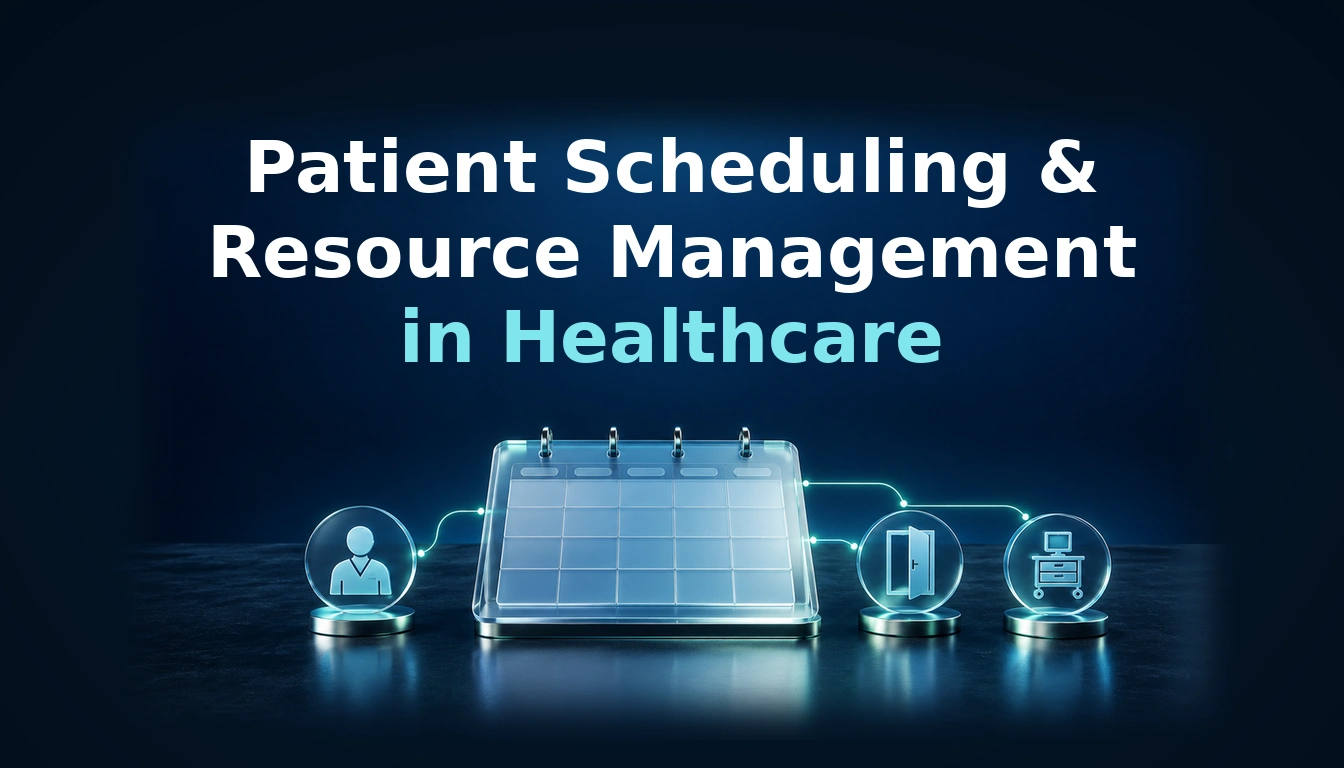
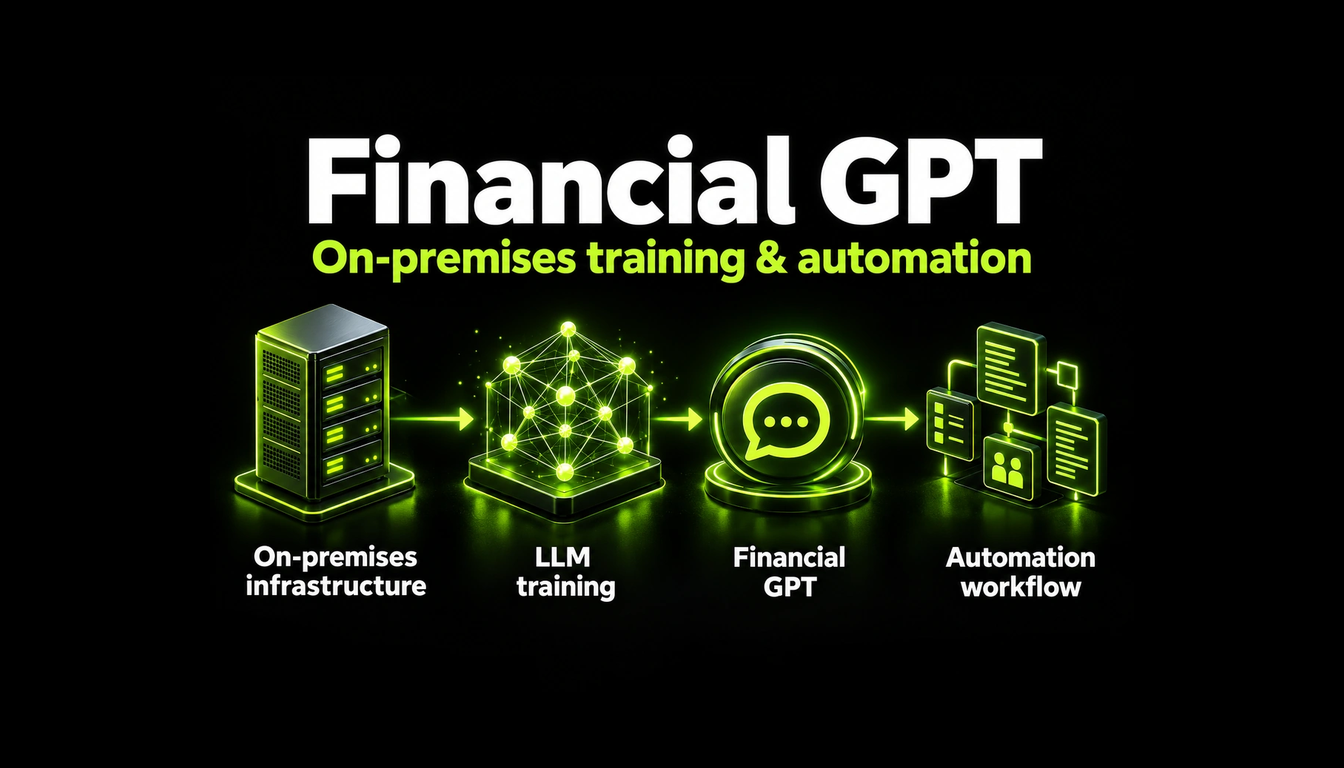
Prepare permitted records and review evidence for financial workflows. Define access and approvals with qualified staff; assess applicable requirements before consequential actions.
Support approved administrative and documentation tasks with scoped access. Assess intended use and patient information with appropriate stakeholders, retaining qualified responsibility for care decisions.
Connect order intake, supplier correspondence, and logistics exceptions through defined interfaces. Validate records and assign unresolved findings, with qualified review for consequential operational decisions.
Support service, sales, and IT workflows with approved sources and tenant-aware access. Test complete tasks, handoffs, and operating costs before expanding automation.
Connect product intake, catalog updates, returns, and service tasks. Validate proposed changes, preserve customer choices, and route exceptions to staff.
Organize property requests, inspection records, and service handoffs using approved information. Define access and approval ownership. Keep unresolved tasks assigned and consequential property or safety decisions subject to qualified review.
OUR PROCESS
Our Intelligent Automation Delivery Stages
Begin with a mapped workflow and baseline. Define rules, data contracts, approvals, and acceptance tests before building. Pilot the process with representative inputs and failures, then review readiness with its owners. Agree operating duties for alerts, exceptions, costs, and changes so the team can maintain the workflow after handover.
Step 01
Map Scope and Value
Map Scope and Value
Map tasks, dependencies, and exceptions. Establish a baseline and choose a feasible pilot with clear acceptance criteria.
Step 02
Build and Test
Build and Test
Define interfaces, access, validation, and review. Build a bounded pilot and test its outcomes and failure behavior.
Step 03
Connect and Expand
Connect and Expand
Validate added systems, users, and approvals before expansion. Recheck permissions, provider limits, and operating ownership.
Step 04
Review and Maintain
Review and Maintain
Review completed tasks, exceptions, costs, and service targets. Test proposed improvements before changing rules, prompts, or tools.


ABOUT US
Your Intelligent Automation Partner
DigiWeta connects automation planning with implementation and handover. Define the process, approved data, and operating boundaries, then test the workflow against measurable criteria. Keep responsibilities and unresolved work clear throughout delivery.
- Defined reviews and evidence
- Scoped ERP and CRM connections
- Deployment choices for your needs
- Measured outcomes and change review
- Controls assessed for intended use
Success Rate
0
%
Satisfied clients
0
%
Frequently Asked Questions
A scoped engagement can cover process mapping, AI-assisted inputs, rules, integrations, validation, and staff review. Agree acceptance tests and operating responsibilities before rollout. The useful outcome is a workflow your team can assess and maintain, not simply a connected model.
RPA automates defined interactions and can form part of a broader workflow. Intelligent automation may add model-based interpretation, APIs, and review. Select methods around the task and test their dependencies rather than assuming one category is always more reliable.
Consider inputs that need interpretation, such as documents or messages. Compare results with simpler methods and retain rules where they suffice. Validate outputs and define appropriate human review before consequential decisions or actions.
Map the process, baseline, data, systems, and constraints. Define a feasible pilot, acceptance criteria, responsibilities, and operating needs. Use the findings to prioritize work rather than assuming every manual step should be automated.
Define intended use, data recipients, permissions, retention, and reviews with qualified stakeholders. Test applicable controls for the deployment. Private hosting or framework alignment alone does not establish compliance.
Check APIs, permissions, and required operations. Test updates and recovery before rollout.
Measure complete tasks, failures, latency, and usage costs against a baseline. Set appropriate limits and operating targets. Test changes and recovery procedures rather than guaranteeing stable performance or spend.
Start with a defined workflow, measurable criteria, and clear ownership. Scope the integrations, controls, testing, and handover with your team, then use pilot evidence to assess readiness and next steps.
Plan a Workflow with DigiWeta
Schedule a technical discovery to map KPIs, design orchestration and integrations, and plan a pilot that proves value within one quarter. We will deliver a governed intelligent automation foundation you can scale safely.