

For startup founders and technology leaders, AI development begins with a product problem worth solving. Evaluate the intended users, available data and operating constraints before treating AI as a requirement for funding or growth.
Delivering an application also requires a workable team. Consider the skills, capacity and responsibilities needed for the project, then compare internal hiring, external delivery and a combined approach. Recruitment time and cost depend on the actual roles and market conditions.
Choosing an ai app development company in usa is one option among several delivery approaches. Assess relevant experience, communication and proposed responsibilities rather than treating location or price as a guarantee of quality.
AI applications may involve uncertain outputs, sensitive information and evolving technical requirements. These concerns call for evidence-based evaluation and clear working arrangements, regardless of where the development team is located.
This guide examines practical questions for selecting a partner across the AI application development lifecycle. When discussing a project with an ai app development company such as DigiWeta, define the scope, evidence and responsibilities needed rather than relying on broad claims about location or engineering standards.
Chapter 1: Reviewing Ownership and Data Responsibilities
Intellectual property, data access and confidentiality deserve explicit attention when commissioning software. Clarify which materials and rights the project requires.
Working with an external team requires controls over the information and systems it can access. Review contractual responsibilities, data flows and practical safeguards for every supplier, not only those operating in another country.
Review Contractual Protections
Confidentiality and ownership provisions need careful review. Ask how obligations apply to the contracting parties, subcontractors and project materials, and obtain qualified advice where needed. Do not assume that an agreement prevents every misuse or that enforcement has a predictable cost simply because of a supplier’s location.
Evaluate Data Handling and Access
A supplier’s location alone does not establish compliance, security or ownership protections. Examine the actual agreement, proposed deployment, access permissions and operating procedures. Identify which requirements apply to the project and who is responsible for meeting them. Request evidence for specific assurances rather than treating a domestic address or private hosting arrangement as proof.
Chapter 2: Planning Communication and Collaboration
AI delivery needs feedback and evaluation throughout the project. Agree how the team will test assumptions, review progress and respond when results do not meet requirements.
Technical choices may change as the team evaluates data, output quality and response times. Plan how alternatives will be assessed and approved instead of assuming that each change can be made immediately.
Managing Timezone Differences
Timezone differences require planning, but they do not automatically prevent effective collaboration.
- Define where issues and change requests should be recorded.
- Agree on response expectations and the information needed for review.
- Use documented decisions to reduce repeated clarification.
- Schedule overlap for discussions that benefit from live participation.
Synchronous Agile Sprints
Overlapping working hours can support reviews and discussions, while written updates help keep decisions accessible. Agree on meeting cadence, escalation routes and decision ownership with the actual team. A shared country does not guarantee overlapping schedules, and geography alone does not determine delivery speed.
Review what an artificial intelligence app development agency actually does to frame questions about responsibilities and collaboration. Confirm the proposed working arrangements rather than assuming a particular meeting schedule.
Chapter 3: Evaluating Technical Fit
Assess a provider’s relevant work, technical reasoning and delivery practices. An integration demonstration alone does not establish production readiness, and a team’s location does not determine its ability to build reliable software.
A product needs a useful workflow and a credible operating plan. Evaluate how its design serves users rather than assuming that any particular integration creates—or prevents—competitive advantage.
Assess Relevant Engineering Experience
Ask candidates to explain how they would evaluate requirements for custom enterprise AI mobile apps. Discuss data access, integration, testing, model choices and operational responsibilities. A proposal should justify its approach using the project’s constraints, rather than treating retrieval, fine-tuning or on-device processing as mandatory features. Verify relevant experience without assuming that location establishes technical depth.
Chapter 4: Comparing Delivery and Operating Costs
Hourly rates are only one input when comparing proposals. Understand which activities, deliverables and responsibilities each estimate includes before judging whether it is suitable for the project.
Compare the expected work, evaluation approach and operating requirements alongside price. A lower rate is not proof of poor quality, and a higher rate does not guarantee reliable delivery.
Plan for Maintainability
Review how the proposed application handles errors, evaluation, dependencies and changing requirements. Ask for clear documentation and acceptance criteria so avoidable shortcuts can be identified before they become difficult to address.
Maintenance and rework can affect total cost, but neither follows a fixed multiplier or geographic pattern. Compare the proposed support arrangements, access to project materials and ability to replace components. Make important assumptions visible in the estimate and revisit them as evidence becomes available.
Plan Capacity and Operating Costs
Discuss expected demand and the application’s quality requirements before setting capacity targets. Test representative workloads and estimate operating expenses for realistic scenarios. Claims that a system will scale effortlessly or become profitable require evidence, not a supplier’s location or premium pricing.
Architecture and pricing assumptions should be evaluated together. The guide to how to monetize AI application development solutions can inform discussions about allowances, usage records and subscriptions. Confirm that the team can explain how these controls fit the product’s measured operating costs.
Chapter 5: Choosing a Staffing Approach
Internal delivery requires people with the skills and capacity needed for the project. Assess the actual hiring requirements before choosing between recruitment and external support.
AI projects may need several disciplines, including application engineering, data work and operational evaluation. Define the responsibilities first. Avoid assuming that every project needs the same specialist team or that a particular salary range describes the entire hiring market.
Evaluate External Team Support
Compare an internal team with external or mixed delivery using the project’s budget, expected duration and ongoing ownership needs. No staffing model is automatically affordable or unsuitable.
A delivery partner may provide additional capacity or specialist experience, subject to its availability and agreed scope. Confirm named responsibilities, onboarding requirements and continuity arrangements. Contract structure and accounting treatment require their own assessment; an agency agreement does not automatically convert all costs into a fixed operating expense.
Discuss Your Project with DigiWeta
Selecting a partner is a decision about fit, evidence and working arrangements. Review technical proposals, contractual responsibilities and practical communication plans before committing access or delivery work to any team.
When comparing an ai app development company in usa, assess the proposed team and scope rather than superlatives. Discuss your application’s requirements with DigiWeta and request relevant evidence for the capabilities, responsibilities and delivery arrangements in the proposal.
We protect your IP, sync with your timezones for rapid agile sprints, and build architectures designed to scale globally and dominate the App Store.
Discuss your AI application requirements with DigiWeta and evaluate a suitable delivery approach.
Frequently Asked Questions
Consider a US-based company where its working arrangements fit your needs, but verify the details. Location alone does not guarantee ownership, security or communication. Review the contract, actual team availability and relevant delivery evidence.
Compare complete proposals rather than assuming a geographic cost advantage. Include development, integration, evaluation, hosting, maintenance and support. Review the assumptions behind each estimate and assess whether the proposed approach meets the required quality and operating constraints.
Ownership depends on the agreement and the rights attached to project components. Distinguish custom work from pre-existing software, third-party models and licensed materials. Obtain appropriate contract advice rather than assuming a US address transfers every right.
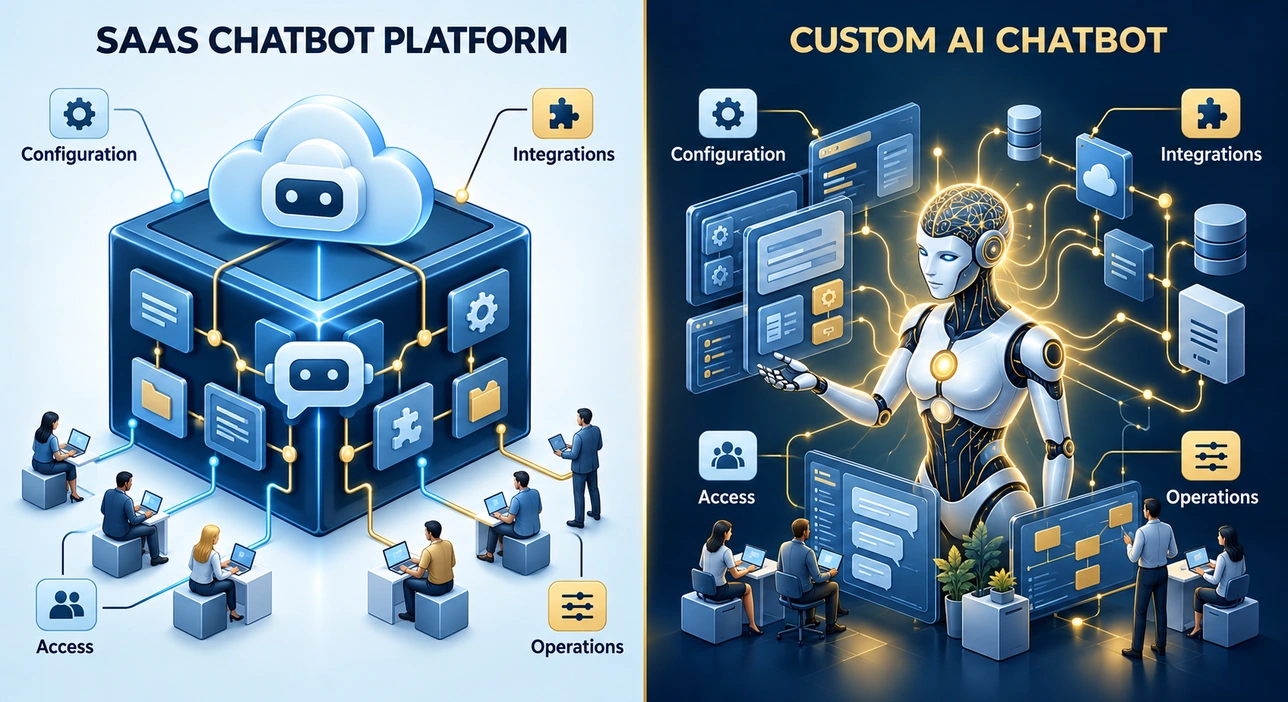
An API-based application connects to an existing service; custom development may add tailored workflows, data processing and integrations. Neither label establishes product value or reliability. Assess the actual requirements and evidence instead of treating one architecture as universally superior.
A credible timeline depends on scope, data readiness, integrations, evaluation and approvals. Ask for milestones and dependencies tied to the proposed work rather than treating a general month range as a delivery commitment.
Some providers offer collaboration or team-extension arrangements. Confirm the specific skills, availability and responsibilities in the proposal. Define interfaces, documentation, review processes and ownership so external work fits the existing team’s delivery practices.
Recruitment requirements vary by project and organization. Compare the time and responsibilities involved in hiring with the availability of potential partners. An agency may add capacity, but it does not automatically eliminate onboarding or guarantee an immediate start.
Agree on post-launch responsibilities before delivery. Depending on the application, these may include incident handling, evaluation, dependency updates and infrastructure monitoring. Verify what the provider actually offers rather than assuming that a retainer or location guarantees continuous reliability.