

An AI application should begin with a useful problem, not a technology trend. Product teams need to establish who will use the feature, what decision or task it supports and whether AI adds value compared with a simpler approach.
AI development combines conventional application engineering with model evaluation and data-related work. Outputs may be uncertain, so requirements should cover acceptable errors, review controls and operating conditions alongside the interface and business workflow.
A lifecycle plan connects feasibility, design, implementation and ongoing evaluation. It helps teams identify dependencies and make informed decisions, but cannot guarantee a successful launch or eliminate budget risk.
This guide outlines practical decisions across an AI application project. When working with an ai application development company such as DigiWeta, agree on scope, evidence and responsibilities rather than expecting to bypass experimentation. Each stage should produce information that supports the next decision.
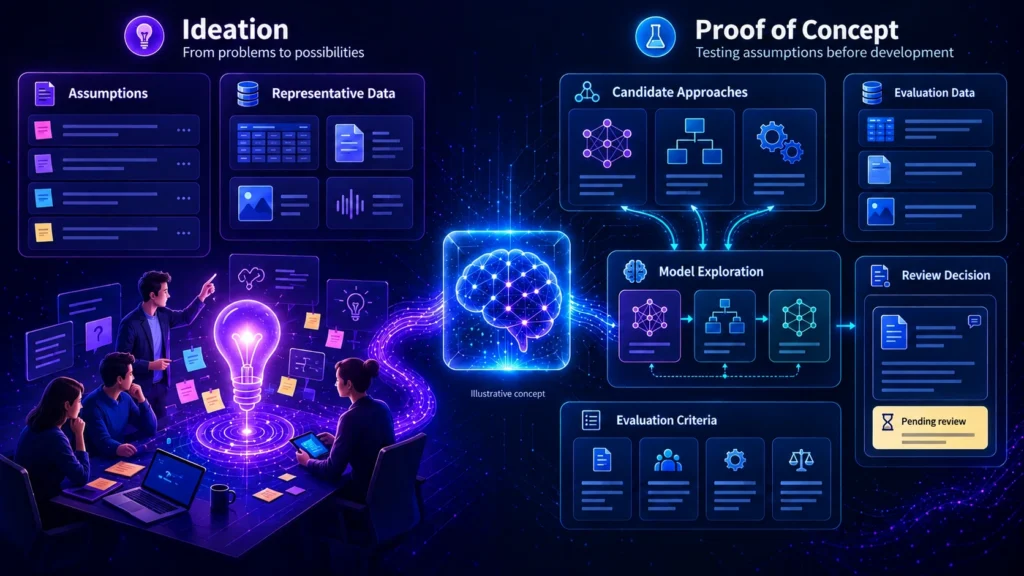
Chapter 1: The Ideation and Proof of Concept (PoC) Phase
Before building an extensive interface, identify the uncertain assumptions behind the AI feature. Determine what evidence would justify further investment and which parts of the workflow can be tested without a complete production application.
Defining the AI Problem
Use a rule, search query or conventional workflow when it adequately solves the problem. Consider AI where interpreting patterns or variable inputs may help, then evaluate its usefulness. Reviewing traditional vs AI-powered app development can clarify how model behavior changes testing, data requirements and operational responsibilities.
Building the Proof of Concept (PoC)
A focused proof of concept can test uncertain technical assumptions. Its scope and success criteria should reflect the actual decision.
- Data Sourcing: Gather representative examples with appropriate permissions.
- Model Selection: Compare candidate approaches against the task and available data. Review relevant machine learning app development services to understand evaluation and integration options, rather than choosing a model solely because it is widely discussed.
- Feasibility Check: Evaluate output quality, response time and error handling under conditions relevant to the intended users.
Use the findings to decide whether to proceed, revise the scope or stop before building an MVP.
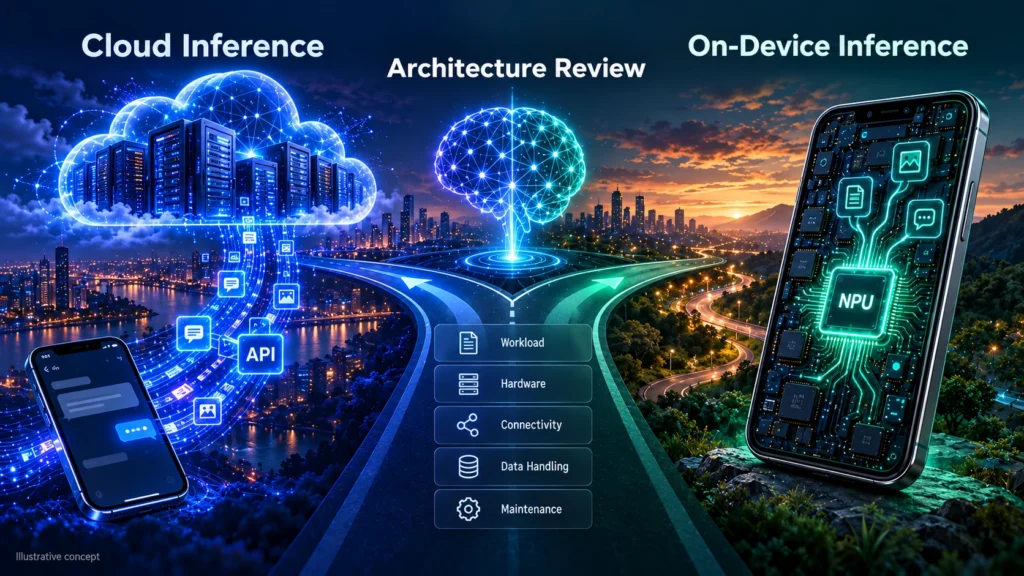
Chapter 2: The Architectural Crossroads (Edge AI vs. Cloud Inference)
Decide which operations belong on a device and which need remote services. Consider supported hardware, connectivity, data handling and maintenance. The architecture should follow measured requirements rather than a claim that either location is always preferable.
Cloud Inference (API-Driven Apps)
Remote inference sends requests to a service outside the user’s device. It may suit workloads that exceed local constraints, but the application still needs appropriate access controls, response handling and resilience. Model choice and infrastructure should be evaluated together.
- Pros: Remote resources may support larger workloads and allow model releases independently of compatible client applications.
- Cons: Network dependencies, service availability and ongoing operating costs need explicit planning and monitoring.
Edge AI (On-Device Processing)
Local inference runs supported models on the device. It can avoid a remote request for that operation, but still uses processing time and device resources. Evaluate model compatibility and performance across the intended hardware range.
- Pros: Selected functions may work offline and reduce remote transfers when all required components are available locally.
- Cons: Memory, storage, battery use and runtime compatibility vary across devices and can limit the supported feature set.
Compare Edge AI vs Cloud APIs using the same task, device and workload assumptions. Document the trade-offs and define fallback behavior where needed.

Chapter 3: Industry-Specific Feature Engineering
Industry context affects the data, users and consequences of an error. Design the feature around a defined workflow rather than a broad sector label.
The HealthTech Sector
Healthcare applications need careful review of sensitive data flows, intended use and applicable obligations. Neither cloud hosting nor local processing proves compliance or clinical suitability. Establish who reviews outputs and which actions require authorization. The discussion of AI healthcare app development should inform requirements, not substitute for appropriate clinical, legal or security review.
The Fitness and Wearables Sector
Fitness features may use sensor information or image analysis to support a defined user activity. Evaluate data quality, device compatibility and the limits of movement estimates. Avoid presenting automated suggestions as a diagnosis or a guarantee of safe exercise. When considering AI fitness app development services, clarify supported inputs, review needs and how the app communicates uncertainty.

Chapter 4: UX/UI Design for AI Applications
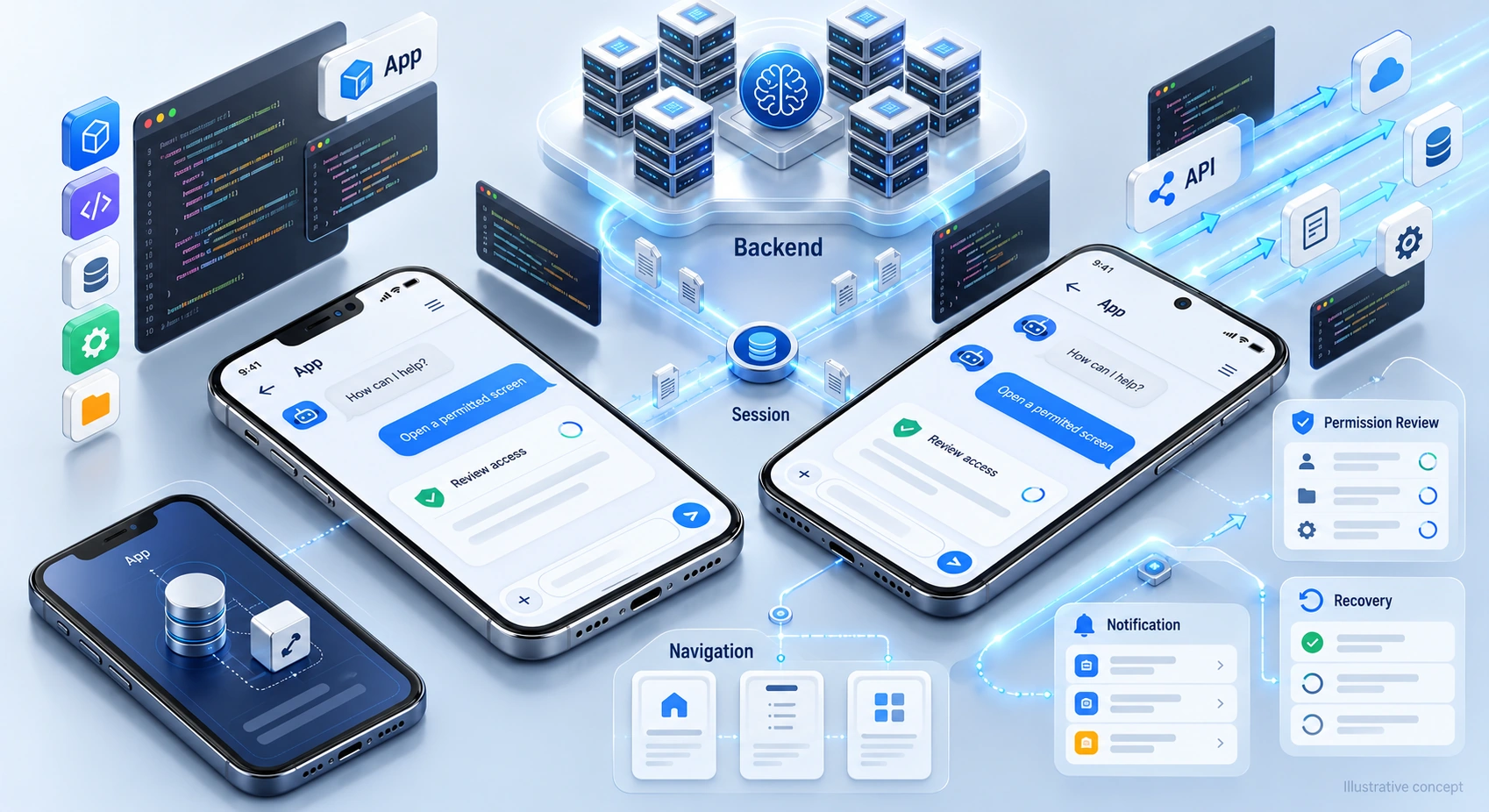
Useful model outputs still need a clear interface. Users should understand the task, review the result and recover when the system cannot respond appropriately.
Response times and output quality vary across AI tasks. Design progress, error and review states alongside the successful path. Do not assume users understand whether a response is complete, reliable or still being generated.
Communicating Processing Status
Explain known system activity while a request is processing. Choose interface feedback that fits the task and does not imply progress or certainty the application cannot establish.
- Skeleton Screens and Shimmer Effects: Use appropriate placeholders while expected content is loading.
- Streaming Outputs: Display available text incrementally where suitable, with clear handling for incomplete responses and interrupted connections.
- Conversational Interfaces: Offer chat or voice where useful, rather than replacing every structured control.
Provide ways to inspect, edit or reject AI output before consequential use. Feedback controls can help teams investigate problems, but should not replace evaluation. Explore UX/UI design in generative AI applications to plan interaction patterns around the task, user responsibilities and the consequences of an incorrect result.
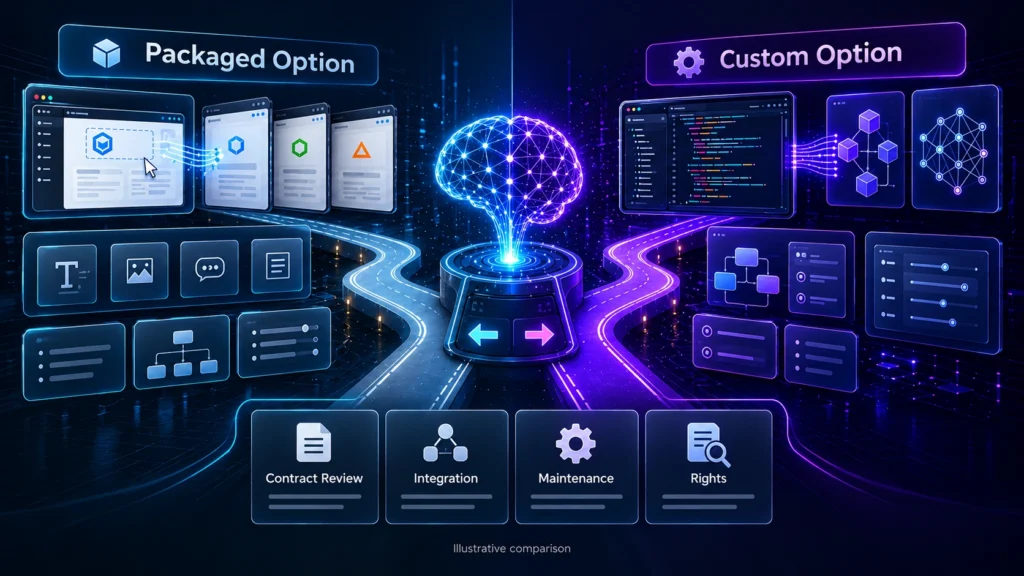
Chapter 5: The Build Phase (Custom vs White-Label Solutions)
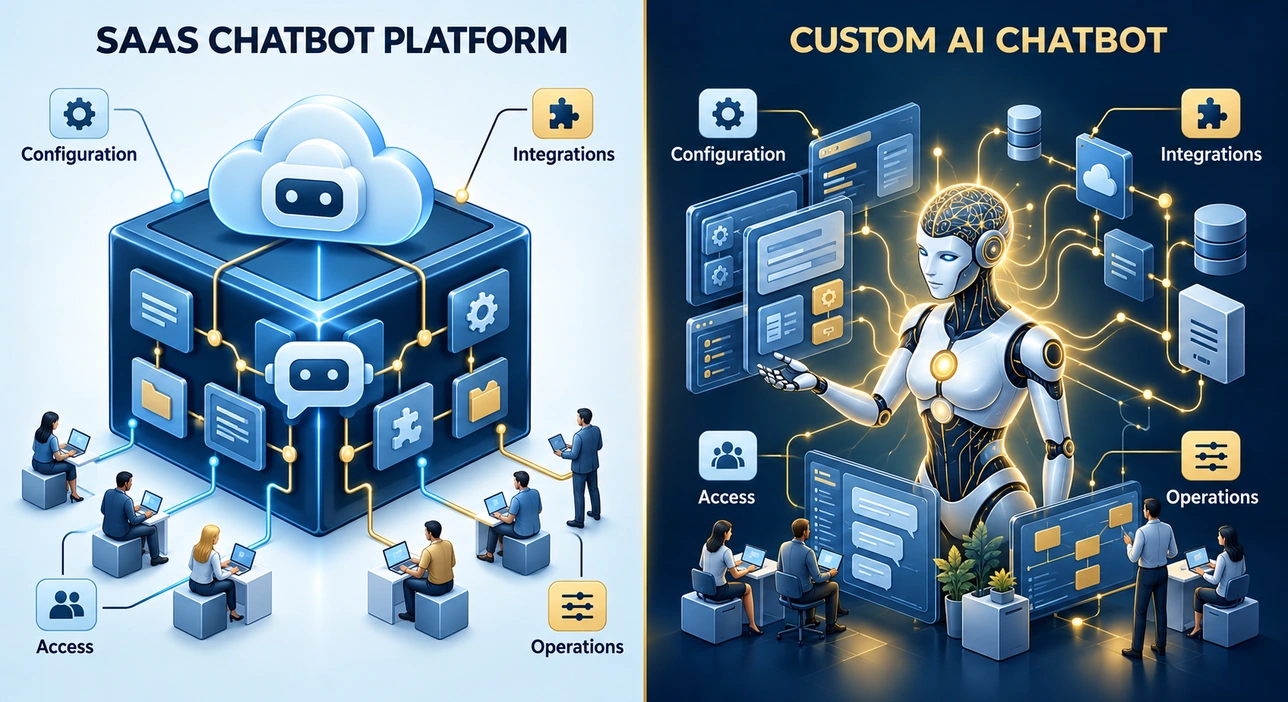
Implementation decisions include application components, integration work and maintenance responsibilities. If comparing custom and packaged options, examine the actual contract, technical constraints and rights rather than inferring ownership from the label.
White-Label SaaS Solutions
White-label products adapt an existing solution to another brand. Their suitability depends on supported workflows, integration options, operating terms and the changes your organization needs.
- The Problem: Some products restrict source access or customization. Review licensing, export options and transition requirements before choosing one. Vendor dependence and future limitations should be assessed from actual terms, not assumed to be identical across products.
Custom AI Application Development
Custom development can provide greater control over selected implementation decisions. However, ownership, licensing and access depend on the agreement and third-party components. Define those terms explicitly; custom work does not automatically provide exclusive training data, unlimited scalability or complete ownership of every dependency.
Compare custom AI application development vs white-label solutions against your workflow, budget and operating needs. Examine delivery responsibilities and future change requirements rather than assuming one approach always produces a better financial outcome.
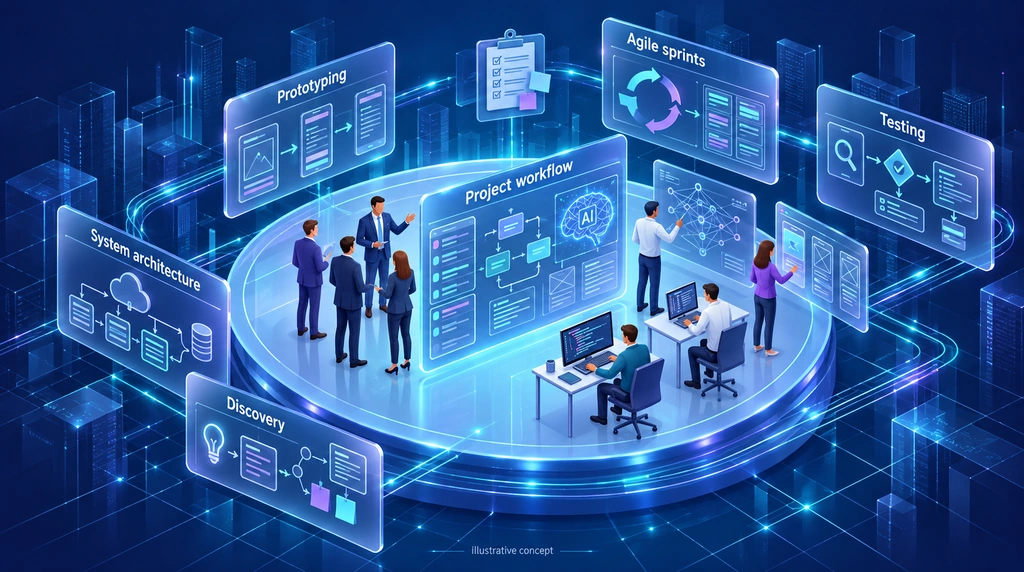
Chapter 6: Working with a Development Partner
AI application delivery may involve product design, application engineering, data work and model evaluation. Decide which skills are needed and how responsibilities will be covered. Hiring requirements and costs vary with the project and team.
An external partner is one delivery option. Evaluate its relevant experience, communication process and proposed responsibilities against your project’s needs.
The Agency Workflow
Agree on decision points, deliverables and review responsibilities so progress is visible throughout the engagement.
- The Discovery Phase: Document the workflow, data needs, integration requirements and review responsibilities.
- Wireframing & PoC: Test interface concepts and uncertain technical assumptions before expanding implementation.
- Agile Sprints: Use agreed delivery increments, demonstrations and acceptance checks rather than relying only on a final launch review.
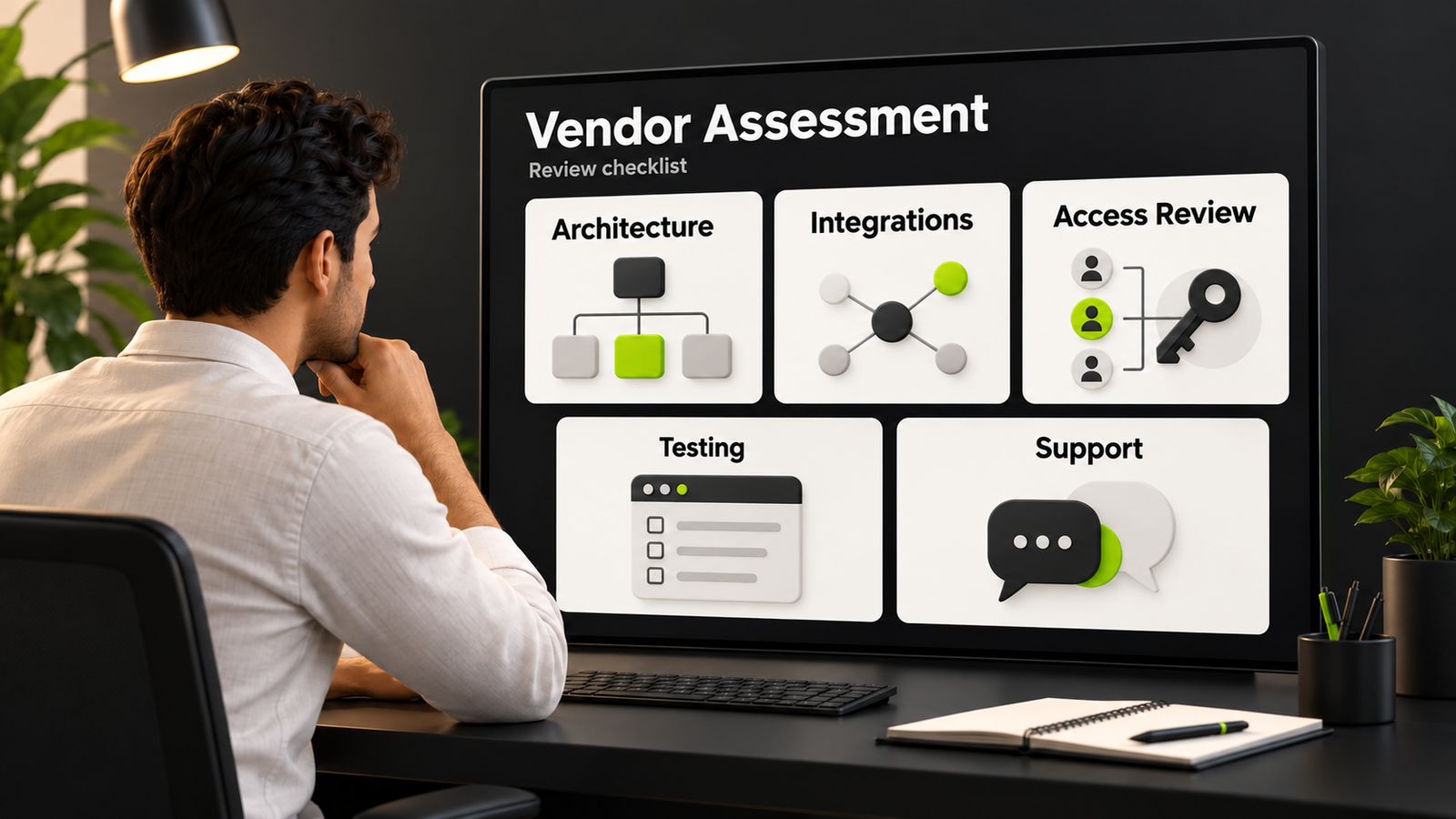
Use the guide on what to expect when hiring an artificial intelligence app development agency to prepare questions about deliverables, reporting, escalation and acceptance. Confirm those details in the project agreement.
Evaluating Location and Working Arrangements
A partner’s location can affect working hours and coordination, but it does not by itself establish legal protection, quality or security. Review the actual contracting entity, agreement and delivery arrangements. The discussion of why startups partner with AI app development companies in the USA can support that evaluation without treating geography as a guarantee of enforceability or project success.
Chapter 7: Launch, MLOps, and App Monetization
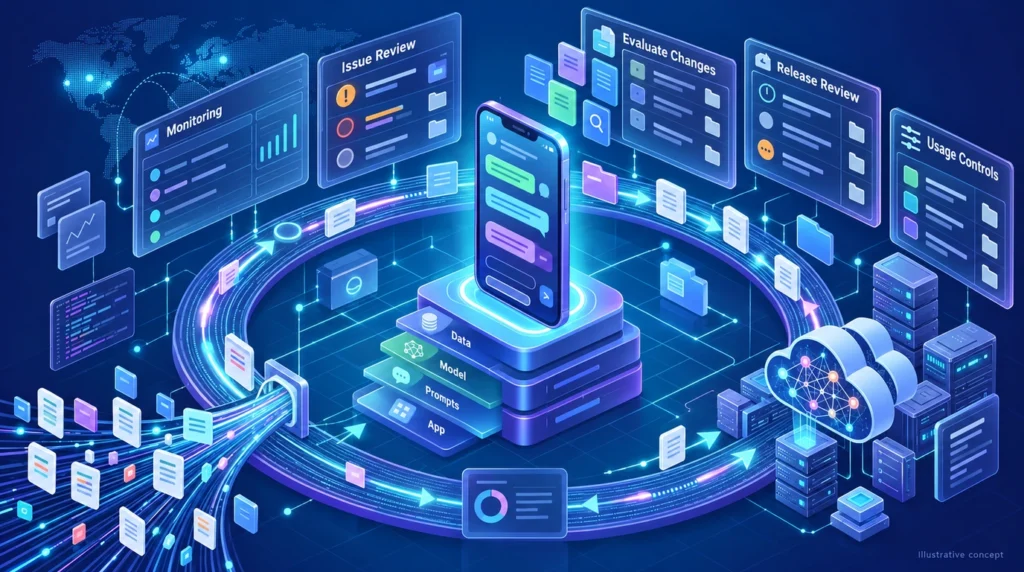
After release, the team still needs to operate and evaluate the application. Plan support, issue handling and ownership before launch rather than treating publication as the end of delivery.
Inputs and usage can change after deployment. Monitor appropriate measures and investigate whether quality or reliability is affected. Updates may involve data, models, prompts or application logic; evaluate them before release. Retraining is not automatically required or sufficient for every problem.
Monetizing Your AI Product
Pricing and usage policies should reflect the value offered and the costs of running the service. Compare subscription, usage-based and other models using realistic assumptions, including support and infrastructure.
Set clear customer expectations and evaluate unit economics over time. The guide on how to monetize AI application development solutions can help frame these decisions, but no pricing model guarantees profitability.
Launch Your AI App with DigiWeta
An AI application involves linked product, engineering and operational decisions. Clear scope, realistic evaluation and defined review responsibilities help teams address uncertainty without promising flawless outputs or a risk-free launch.
DigiWeta’s ai application development company services begin with understanding the intended workflow and requirements. Discuss feasibility, interface design, integration and operational support as a coordinated scope. Agree on acceptance criteria and responsibilities before making claims about performance, security or regulated use.
Discuss your AI application goals with DigiWeta and define the next practical step for your project.
Frequently Asked Questions
AI applications combine conventional software with models whose outputs require evaluation. Teams must consider data quality, uncertainty, response time and review controls as well as interfaces and integrations. The amount of specialized work depends on the use case, not simply whether the application includes AI.
A proof of concept tests specific uncertain assumptions using a limited implementation or dataset. It can inform whether to proceed, but does not prove production readiness or guarantee accuracy. Define the question, evaluation method and decision criteria before starting.
Compare local and remote processing against the task, supported devices, connectivity and data requirements. Local execution may enable selected offline functions; remote services may support different workloads. Neither guarantees instant responses, low cost or compliance. Test representative conditions before deciding.
AI requests may take time or produce uncertain results. Show honest progress and clear failure states, and let users review or correct outputs. Streaming or loading placeholders can help where appropriate, but should not hide errors or imply certainty.
MLOps covers practices for deploying, evaluating and maintaining model-based systems. After release, teams monitor relevant measures, investigate issues and control updates. Changing data may affect quality, but retraining should follow evidence and evaluation rather than run automatically whenever a metric changes.
Packaged products and custom builds offer different trade-offs. Compare supported workflows, customization, licensing, source access and ongoing costs. Rights depend on contracts and components; neither approach automatically guarantees ownership, flexibility or unlimited scale.
Usage limits, subscriptions and metered pricing are possible approaches, but their suitability depends on the service and costs. Forecast realistic usage, communicate limits clearly and review actual unit economics. A free tier does not automatically recover its costs through paid customers.
Timing depends on scope, data readiness, integrations, evaluation and approval requirements. Estimate the phases after assessing those dependencies, and distinguish a prototype from a supported production release. Avoid treating a generic month range as a commitment for an unscoped project.