
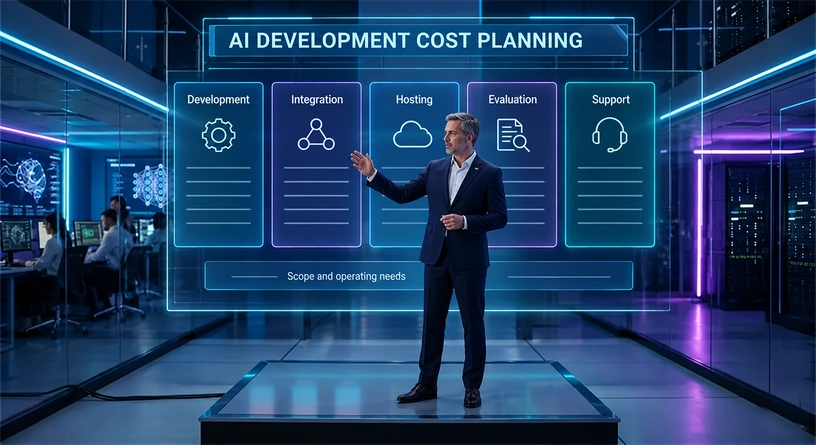
An AI prototype shows what may be possible; a production budget must also cover integration, evaluation, operations, and support.
Costs vary with the workflow and architecture. Some projects use hosted models, while others need retrieval, model adaptation, or dedicated infrastructure. Start with what the application must do and the expected workload rather than assuming every AI project needs a large training cluster.
Estimate total cost over a defined period, including initial delivery and recurring work. Show uncertainty in usage, data readiness, and dependencies. Separate planning categories from accounting treatment: the finance team should determine which costs are capitalized or expensed under the applicable rules.
This guide explains what belongs in a project estimate and how to compare options. Use it alongside the delivery stages in our generative ai software development guide before committing to a budget.
For a scoped estimate, discuss your requirements with a custom generative ai development services provider such as DigiWeta and ask which assumptions, dependencies, and ongoing costs are included.
Chapter 1: Compare Scope Before Price
AI development has no universal fee. Data preparation, integrations, permissions, evaluation, and support can matter as much as the model. Use these scope categories to organize estimates, not as fixed pricing tiers.
Scope 1: Hosted-Model Applications and Workflows
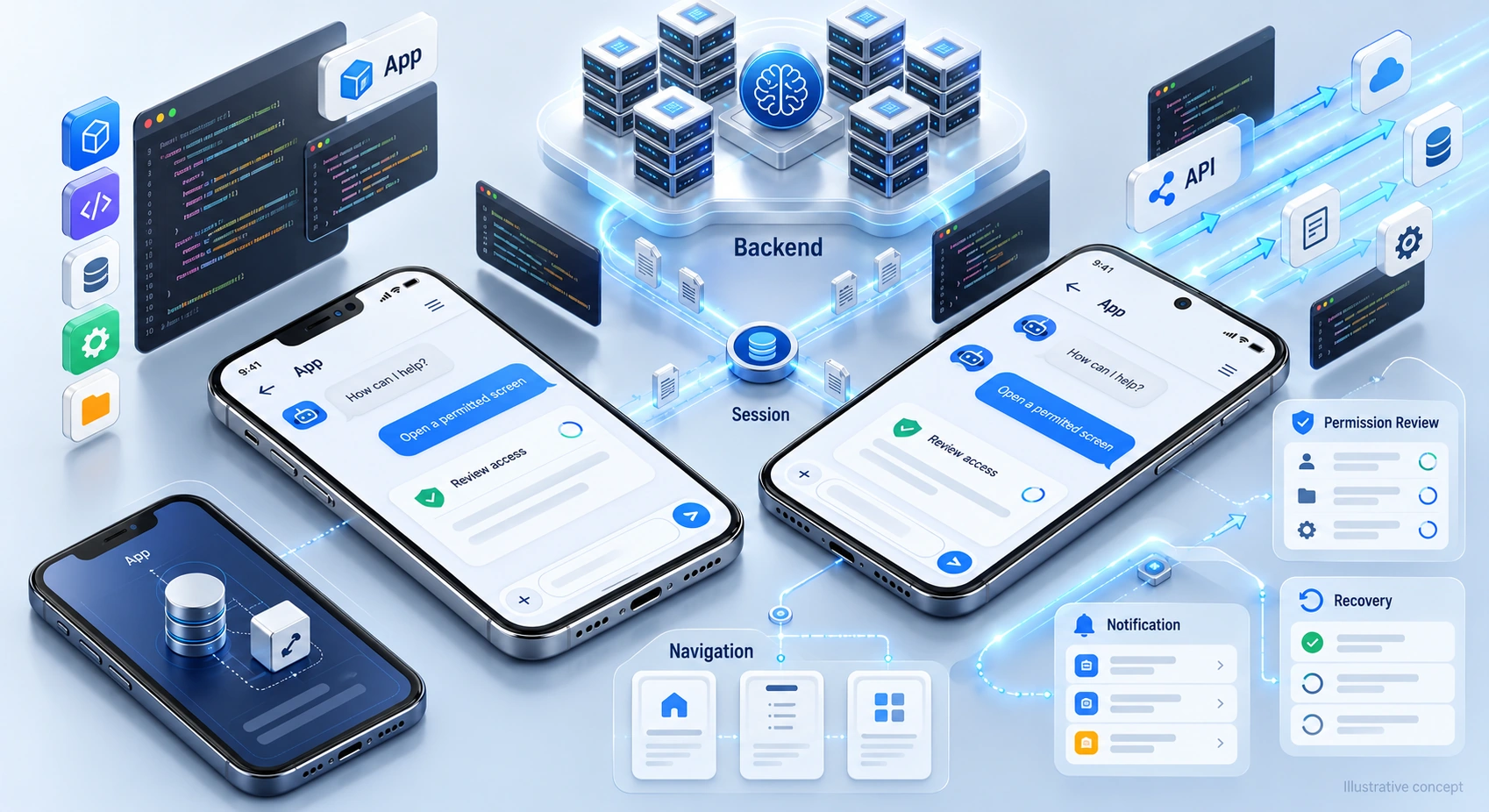
A project may connect an existing model service to a user interface and selected business systems. Scope still includes permissions, validation, testing, and operational behavior beyond the initial API call.
- Scope: Drafting assistance, approved summaries, or a limited internal assistant.
- Estimate Drivers: Count supported workflows, interfaces, access controls, evaluation cases, and failure handling. Do not assume every hosted-model project is simple.
Scope 2: Retrieval and Business Knowledge
For answers based on company sources, consider retrieval or structured data access. Define source types, updates, permissions, and answer-quality needs before estimating the work.
- Scope: An assistant that retrieves permitted information, with defined limits and tested fallbacks.
- Estimate Drivers: Include source preparation in the cost of RAG along with indexing, permissions, source updates, retrieval evaluation, and answer checks. Existing data quality and system access can change the effort substantially.
Scope 3: Model Adaptation or Dedicated Hosting
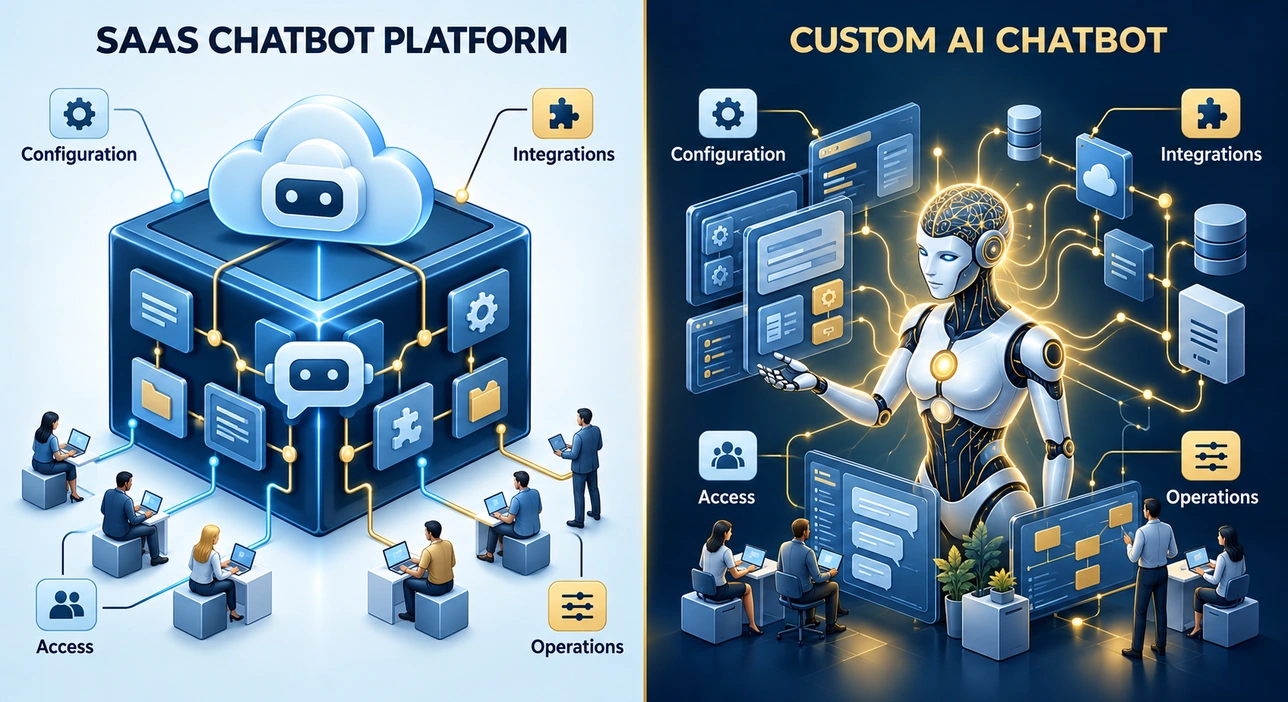
Some projects need adapted behavior or a different hosting arrangement. These are separate choices. Estimate training data, evaluation, capacity, software operations, and security requirements rather than assuming that self-hosting requires tuning or guarantees isolation.
- Scope: A tested model or deployment matched to requirements and operating ownership.
- Estimate Drivers: Include preparation, training where needed, serving, monitoring, and ongoing updates. Compare quality and total cost with simpler options before increasing scope. Review the trade-offs between open-source vs proprietary models.
Chapter 2: Setup and Running Costs
Use a consistent period and explicit assumptions so one-time delivery and ongoing responsibilities are visible.
Initial Delivery and Setup
Estimate the work needed to reach an accepted, supported release.
- Data and Engineering Work: Source preparation and testing.
- Training/Adaptation: Budget only where needed, using the chosen model, dataset, configuration, and current resource rates.
- Security Review: Include access controls, data-flow review, testing, and appropriate specialist assessment.
Ongoing Operation and Maintenance
Include inference, infrastructure, updates, reviews, support, and staff effort in recurring costs. Operation involves more than model requests.
- Usage: Use current billing units.
- Search and Storage: Include indexing, queries, retained data, and operational support where required.
- Evaluation and Monitoring: Test updates, inspect failures, and track behavior as sources, dependencies, and usage change.
Chapter 3: Estimate Model Request Costs
For hosted models, examine the applicable pricing and billable features before estimating usage.
Tokens are model units, not a fixed word count. Rates and billing categories vary. Measure representative requests and apply current provider rates for input, output, caching, and other relevant charges.
Include the Full Request
A short user question may be only part of the billable request. Instructions, retrieved material, and retained context can add usage.
Measure the context actually sent by the application. You do not always need entire documents or full conversation history, but reducing context can affect quality. Include retries, failed requests where billed, evaluation traffic, and background tasks rather than estimating from user questions alone.
Build low, expected, and peak-use scenarios. For each, multiply measured usage by the applicable rates and add other service charges. Compare this with a pilot bill. Test caching, routing, or context changes against quality and privacy instead of assuming a standard optimization percentage.
Chapter 4: Budget for Self-Hosted Inference
Self-hosting changes which costs you pay; it does not remove operating costs. Estimate the model-serving resources, storage, networking, maintenance, and staff effort required for your quality and response-time targets.
Resource needs depend on the model, precision, serving approach, and workload. Some configurations use GPUs, while others may use different hardware. Benchmark the proposed setup before renting capacity, and include model loading, concurrency, and recovery requirements.
Account for Utilization
- Idle Use: Reserved or continuously running resources may cost money even when demand is low. Compare suitable hosting models, startup time, and service targets. Scaling down can reduce some charges but may introduce delays or operational trade-offs. Use current provider quotes rather than a generic monthly GPU figure.
- Peak Demand: Estimate capacity for expected peaks and test queueing, limits, and recovery. More capacity can raise costs; automatic scaling is not a substitute for workload planning.
Quantization or serving optimizations may help, but compare quality, compatibility, and latency as well as resource use. A smaller footprint is only useful if the application still meets its requirements.
Chapter 5: Estimate Team and Supplier Costs
People costs depend on scope, existing skills, delivery responsibilities, and the support model.
Map the roles needed for your project and where your current team already has relevant capability:
- Architecture: Define components, interfaces, and controls.
- Data Work: Prepare sources, access rules, and update processes.
- Operations: Deploy, monitor, maintain, and respond to failures in the chosen setup.
Use actual staffing plans or supplier proposals. Include recruitment, onboarding, management, internal review time, handover, and maintenance. Avoid treating an unsupported salary average or assumed team size as the cost of your specific project.
An agency, internal team, or mixed model can fit different needs. Compare equivalent scope, availability, evidence, and operating ownership. For questions to use in that review, see hiring a generative AI development company alongside internal delivery options.
Chapter 6: Connect the Budget to Measured Value
Ask what improvement the application should deliver and how the baseline will be measured before approving the build.
Benefits are not guaranteed. Separate observed outcomes from forecasts, and include adoption, error handling, and ongoing review in the model.
- Support Workload: Measure successful resolution and actual cost changes. Freed staff time may be valuable without immediately reducing spending.
- Engineering Work: Track completed work, review effort, defects, and rework. Faster generation does not necessarily mean faster accepted delivery.
- Document Assistance: Measure useful completed work and review quality, with qualified oversight for consequential decisions. Explore the considerations behind generative AI use cases in healthcare and finance.
Plan Your AI Budget with DigiWeta
A useful estimate explains the deliverables, assumptions, dependencies, and recurring costs. Start with a focused release and update the forecast as pilot evidence becomes available. Keep unsupported savings claims out of the approval decision.
For teams comparing generative AI development services in the USA, discuss your project requirements with DigiWeta. Ask for a scoped estimate, evaluation criteria, and clear ownership after launch. Compare options on the same workload and service expectations rather than relying on a generic price range.
Ready to review costs? Contact DigiWeta to discuss scope, dependencies, and an evidence-based estimate.
Frequently Asked Questions
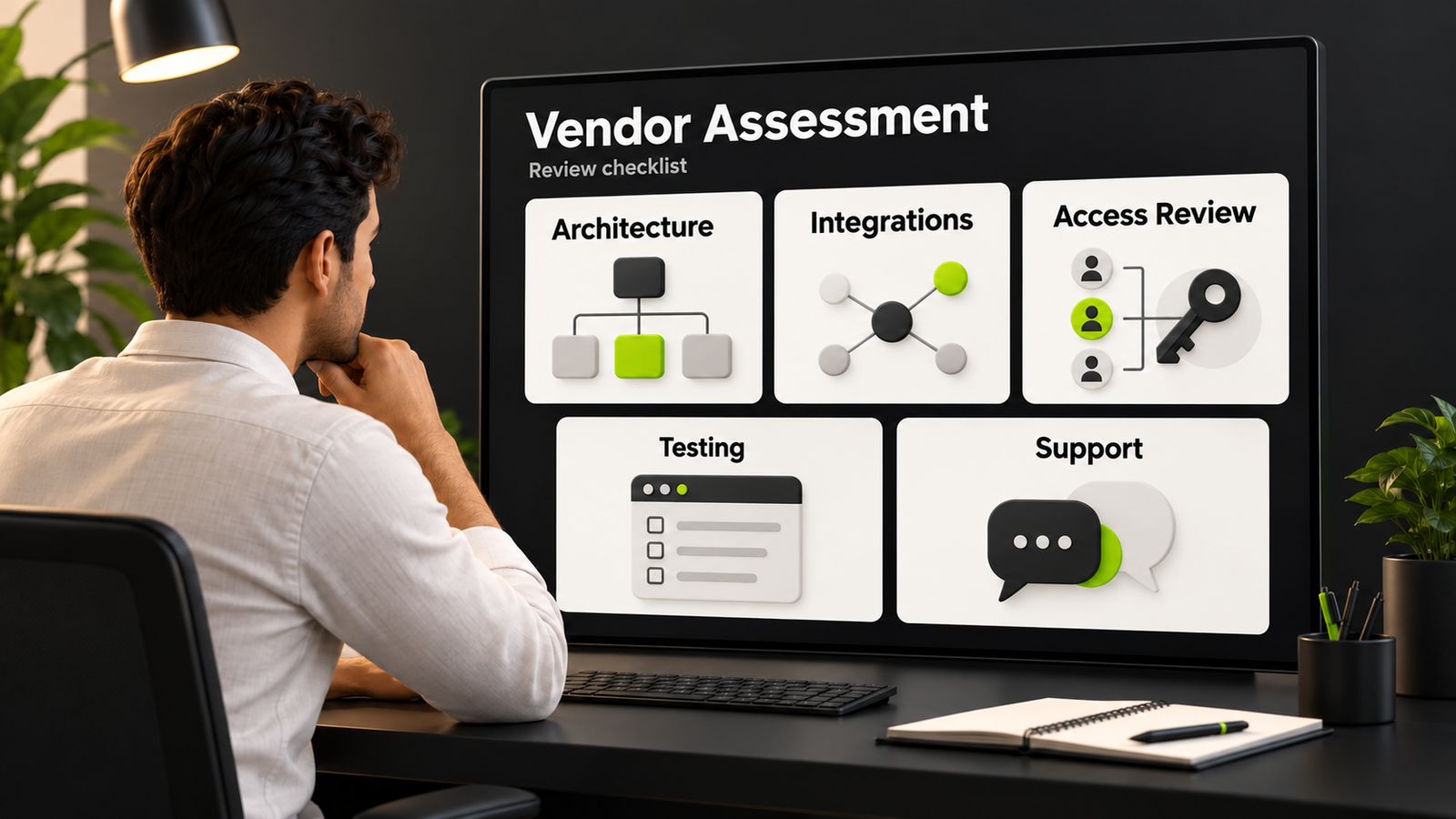
Scope, sources, integrations, controls, evaluation, and support determine the estimate. Ask for an itemized proposal that separates initial delivery from recurring costs. No price range guarantees a reliable or hallucination-free system.
It depends on workload, quality targets, resource utilization, and operating effort. Compare current service rates and a tested hosting configuration across realistic scenarios. Include staffing and maintenance; traffic volume alone does not establish which option is cheaper.
Measure representative requests using the relevant tokenizer or provider usage reports, then apply current rates and billable categories. Include instructions, context, output, retries, and background work where charged. Tokens are not a fixed fraction of a word across every language or model.
Include source preparation, indexing, storage, queries, updates, evaluation, and operations. Costs depend on the selected technology and workload. Not every retrieval design requires a standalone vector database or keeping all information in memory.
Benchmark the chosen model and serving setup, then obtain current pricing for the required capacity. Include utilization, peak demand, storage, networking, and support. Do not infer a monthly bill from parameter count alone or assume every application needs the same GPU cluster.
Plan for monitoring, evaluation, source and dependency updates, incident handling, access reviews, and maintenance. Requirements vary by architecture and risk. Agree who performs this work and what is included in a support arrangement before launch.
It may, but measure the actual workflow. Compare attributable benefits with implementation and recurring costs, including review and rework. Distinguish freed capacity from cash savings, and test assumptions before claiming that automation reduces headcount or guarantees payback.
No single delivery model is always cheaper. Compare skills, capacity, scope, management effort, and ongoing ownership using actual plans or proposals. Include handover and maintenance in either option, and avoid assuming an agency fee or internal salary covers the same responsibilities.