
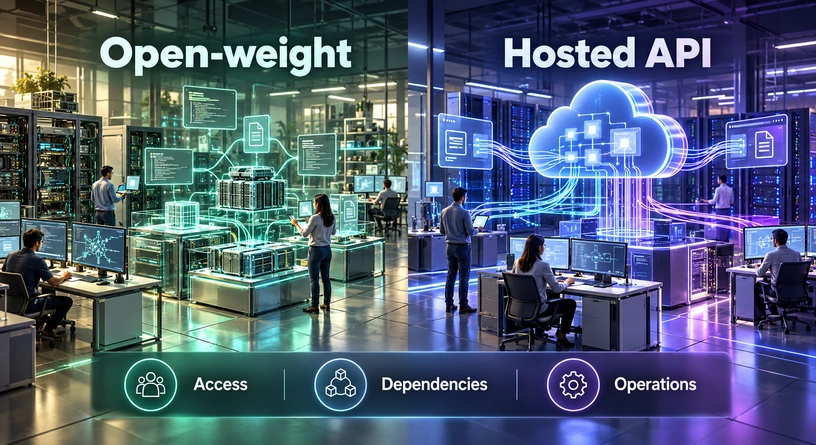
Choosing a language model is also a choice about delivery, data handling, and operating responsibility. A hosted API may reduce model-serving work; access to model weights may offer different deployment options. Compare those choices against the task and your constraints rather than assuming one category leads on every measure.
Capabilities change across model versions and providers. Use current candidates and representative tests rather than broad claims that open models or proprietary services are always better. The strongest option for one task may not fit another.
Start with required quality, response time, data recipients, licensing, and available staff. Then compare hosted and self-hosted options under the same workload. A decision based only on a benchmark score or headline price can miss important operational requirements.
This guide explains the trade-offs in control, cost, dependencies, and maintenance. Use it to plan a realistic comparison and connect the result to your generative AI software strategy guide.
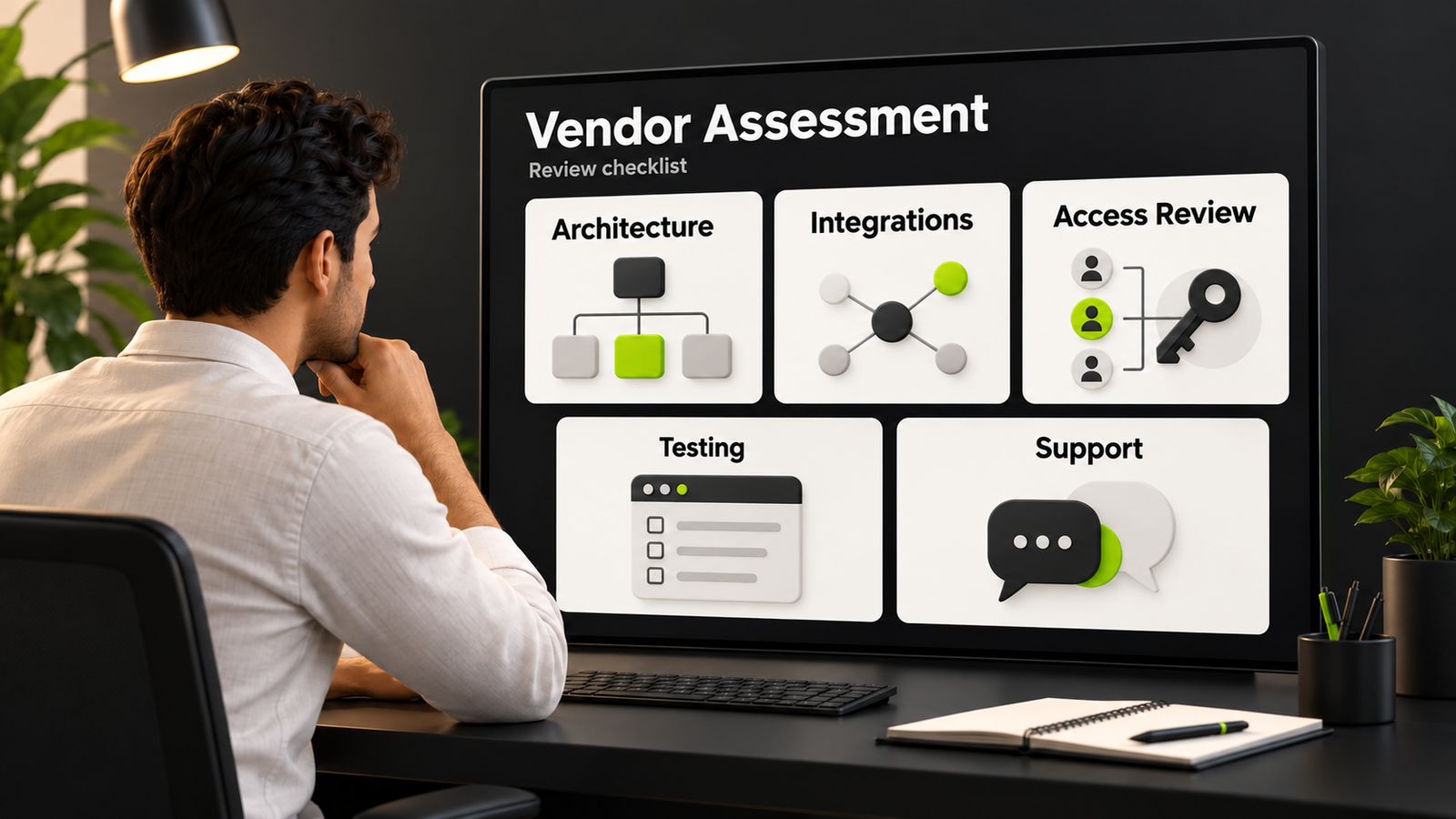
To review the options with a generative ai development firm such as DigiWeta, bring your task, data requirements, and evaluation criteria.
Chapter 1: Assess the Hosted API Option
Hosted services expose model capabilities through supported interfaces while the provider operates the service. Customization, visibility, data terms, and features vary. Review the actual product rather than treating every API as identical.
Where Hosted Services May Help
Hosted services can reduce some infrastructure responsibilities, depending on the use case:
- Task Capabilities: Evaluate candidate models on your actual work, including failure cases. Do not use rumored parameter counts or general rankings as proof of reasoning quality, accuracy, or suitability.
- Integration: You may avoid operating model-serving hardware, but still need application engineering, access controls, evaluation, and monitoring. A successful API call is not a production-ready workflow.
- Supported Modalities: Check supported text, image, audio, or other inputs and outputs, including quality, limits, cost, and data handling.
Review Dependencies and Service Limits
Assess what the application depends on and how changes or outages would be handled:
- Dependencies: Pricing, limits, versions, and service behavior may change. Plan monitoring, tests, and a realistic migration or fallback process rather than assuming the integration will remain unchanged.
- Control and Access: Hosted services may limit access to weights or implementation. Define the evidence, observability, and customization your task needs. Test behavior and review commitments instead of assuming limited visibility makes every service unsuitable.
Chapter 2: Distinguish Open Weights from Open Source
Access to model weights does not automatically mean unrestricted open-source rights. Check the specific license, use restrictions, distribution conditions, and available materials. Different releases may have different terms. Confirm that your planned use is permitted before building the deployment around it.
What Weight Access Can Offer
Self-hosting may provide useful control over deployment and customization, but suitability depends on the license, model, workload, and operating resources:
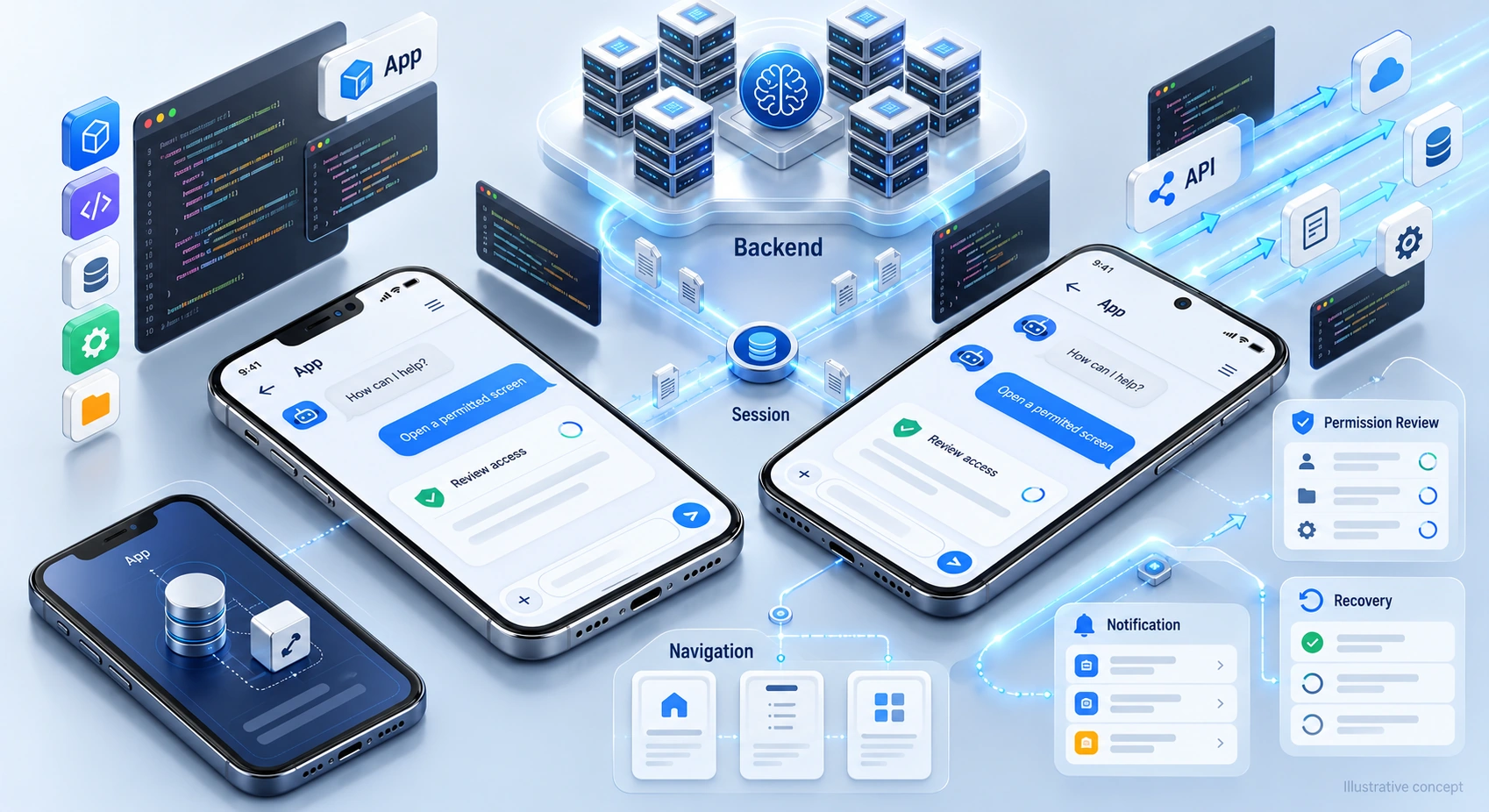
- Deployment Control: Running a model in your environment can change where processing occurs. It does not automatically isolate the whole application or establish compliance. Map telemetry, dependencies, backups, and support access. For the surrounding controls, review our guide to data security and information exposure.
- Adaptation Options: Weight access may enable supported adaptation methods, while some hosted services also offer tuning. Compare the quality, data requirements, resources, and maintenance involved. Tuning is not mandatory simply because weights are available. For the distinction between behavior adaptation and source context, review fine-tuning options in enterprise applications.
- Version Control: Version control may improve, but licenses, serving software, hardware, and upkeep remain dependencies. Plan upgrades and support.
Operating Requirements
Downloaded models need implementation and an operating budget.
- Capacity Planning: Benchmark the chosen model and workload on a suitable configuration. Include memory, concurrency, latency, and availability needs. Do not assume every model requires the same GPU setup.
- Operating Duties: Assign responsibility for deployment, security patches, evaluation, capacity, and incidents. Quantization or optimized serving may help, but each choice needs quality and compatibility testing.
Chapter 3: Compare Total Cost of Ownership
Include more than licensing: application work, usage, infrastructure, evaluation, security, maintenance, and staff time. Ask finance to confirm accounting treatment instead of calling all hosting expenses capital expenditure.
Use the same period, workload, and quality targets when comparing total costs.
Hosted Service Costs
Read current pricing and billing categories for the selected service. Estimate usage from real requests, including context, output, retries, and relevant background work.
- Benefit: Less responsibility for operating model-serving infrastructure.
- Cost: Usage charges can grow with demand, and other fees or service limits may apply. Test low, expected, and peak scenarios. Measure actual pilot bills rather than inferring cost from user counts alone or assuming token pricing is identical across models.
Self-Hosted Operation Costs
Estimate resource use, storage, networking, support, and staff effort. Some costs may continue when demand is low.
- Benefit: Greater control over serving configuration and utilization may help some workloads. Cost depends on capacity and demand; the same infrastructure cannot handle unlimited requests at a flat price.
- Cost: Idle capacity, maintenance, and peaks add costs. Use current quotes and benchmarks, not a generic monthly GPU figure.
Run a workload-specific comparison and examine where its assumptions change. For budget categories, review API vs hosting costs for your application.
Chapter 4: Match Skills to the Operating Model
Assess the team against the actual serving and application responsibilities.
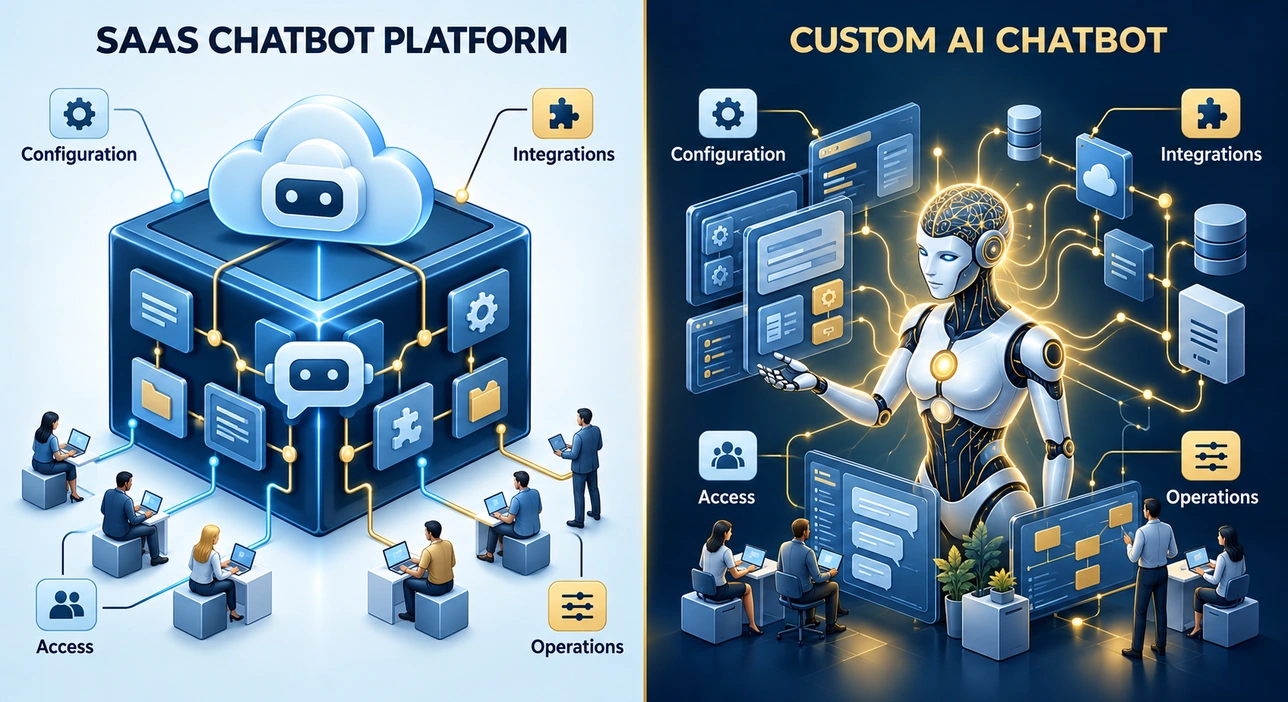
Hosted APIs still need reliable integration, evaluation, access controls, and monitoring. Self-hosting may add model-serving, resource planning, and infrastructure work. Determine which skills already exist and which need support instead of assuming job titles alone establish capability.
If you plan to operate model infrastructure, assess the relevant model deployment skills before committing to a staffing or supplier plan.
Chapter 5: Consider Multi-Model Routing Carefully
Using more than one model may help a defined workflow, but it adds evaluation, routing, and operating complexity.
Route by tested requirements and permitted data flows, not assumptions that one model category always suits simple or complex tasks:
- Internal Tasks: Select a model and deployment that meet the task’s quality and data requirements. A smaller local model may fit some work, but it is not automatically inexpensive, private, or accurate. Check the surrounding application and measured results.
- Other Task Requirements: Use alternatives when capabilities, terms, and costs fit. Verify permitted data transfers and ensure fallback behavior meets the required controls.
A hybrid approach is not a guarantee of maximum security or minimum cost. Compare it with simpler designs and test routing errors, provider failures, and model changes.
Compare Model Options with DigiWeta
Choose using evidence from your task, constraints, and operating plan. Document assumptions and trade-offs so the decision can be reviewed when requirements, model options, or costs change.
Discuss model selection with DigiWeta as a generative ai development firm. Compare hosted services, weight-access models, and supporting architecture against your data and workload. Agree evaluation criteria, dependencies, and ongoing ownership before committing to a broader implementation.
Ready to evaluate the options? Contact DigiWeta to discuss your task, constraints, and deployment requirements.
Frequently Asked Questions
Hosted services operate models through supported interfaces. Open-weight releases provide parameters you may run or adapt under a license. Rights, visibility, features, and operating duties vary. Weight access alone does not establish unrestricted open-source status.
Read the exact release’s terms for your intended use, including distribution, attribution, acceptable use, and eligibility conditions. Downloadable weights are not necessarily unrestricted. Seek qualified review where needed and include hosting and operations in the budget.
No. Self-hosting changes data flows and duties, but still needs access controls, updates, monitoring, and review. Map dependencies and recipients. Compare implemented controls and terms rather than assuming one model category guarantees privacy.
Use representative tasks, relevant metrics, and failure cases under comparable settings. Include latency, cost, and any adaptation effort. Results vary by model version and use case, so do not treat a general ranking or a legacy model comparison as a universal answer.
The model, serving configuration, hardware, utilization, capacity targets, storage, networking, and staff effort all matter. Benchmark realistic demand and obtain current quotes. Self-hosting is not free simply because model weights are available without an upfront download fee.
Dependencies on interfaces, behavior, tooling, data formats, or contracts can make switching costly. Test alternatives, document assumptions, and plan migration where justified. Self-hosted systems also have dependencies; owning a deployment does not eliminate every switching cost.
It may help when tasks have demonstrably different requirements. Validate routing, permissions, quality, and fallback behavior, and include added complexity in costs. Do not assume local means private or hosted means more capable for every request.
Skills depend on the model and workload, and may include serving, capacity planning, security, evaluation, and operations. Integration still matters. Assess actual duties and evidence rather than assuming every deployment requires the same framework or specialist team.